
How to Find Hidden Gems in Tokyo: 3 Local Methods


The most reliable way to find hidden gems in Tokyo comes down to three repeatable methods: station roulette (exit a lesser-used local line at a random stop and walk), following the salaryman (trail office workers to their lunch and after-work spots during peak local hours), and sorting Google Maps reviews by newest first while cross-referencing local-language posts. These aren’t abstract tips. They work because Tokyo’s best experiences are almost never on the tourist circuit — they live two streets off the main drag, behind an indigo noren curtain, or down a covered shotengai arcade that most visitors walk straight past.
Start with these three neighborhoods to try each method immediately:
Yanaka/Yanesen — Tokyo’s best-preserved shitamachi (old downtown) quarter, perfect for slow street wandering and sento discovery
Shimokitazawa — a vinyl-and-vintage neighborhood where following young locals after 6 PM reveals listening bars and tiny live houses
Kiyosumi-Shirakawa — a former warehouse district now home to specialty coffee roasters and micro-galleries, ideal for map-review filtering
Pro Tip: In any small Tokyo venue — a sento, a standing bar, a neighborhood izakaya — keep your voice low, wait to be seated, and always ask before taking photos. These small courtesies open doors that a tourist attitude closes.
Key Takeaways
The most effective way to find hidden spots in Tokyo is to move at the city’s pace: one neighborhood, one local method, and a willingness to walk two streets off the main exit.
Point | Details |
Use local transit lines | The Setagaya Line and Toden Arakawa streetcar place you in residential neighborhoods the Yamanote Loop never reaches. |
Apply the two-street rule | Walk one to two blocks from any main station exit to find local food venues and shops tourists consistently miss. |
Sort reviews by newest first | Filter Google Maps reviews to newest first and prioritize Japanese-language entries to surface genuinely local spots. |
Respect sento etiquette | Wash before entering, keep towels out of the water, and check tattoo policies — these rules apply at Konparu-yu and every other bathhouse. |
Consider a guided option | Rbantours’ local-host walking tours in Japan remove language friction and unlock reservation-only experiences for travelers on limited time. |
Table of Contents
How to find hidden gems in Tokyo using reproducible tactics
The methods above work because they align with how Tokyo actually functions. The city isn’t organized for tourists; it’s organized for residents. That gap is your advantage.
Station roulette: how to run it
Pick a line that locals actually use. The Setagaya Line or Toden Arakawa streetcar are ideal starting points — they thread through residential neighborhoods where the Yamanote Loop never goes. Ride three to five stops from a transfer hub, then exit in whichever direction feels less polished. Look for a covered shopping arcade, a cluster of hand-painted signs, or a narrow alley with potted plants outside the doors. Those are the signals.
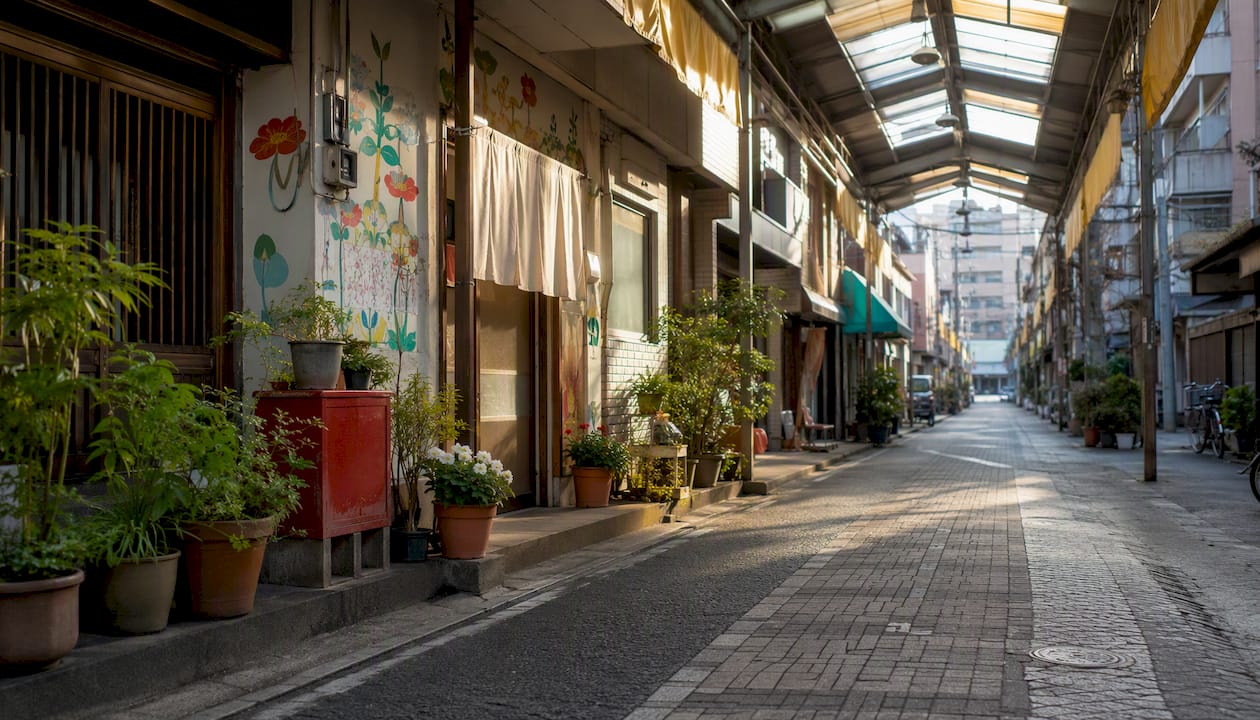
Once you exit, apply the two-street rule: walk one or two blocks away from the station’s main exit. The parallel street almost always holds the local food venues and small shops that the tourist-facing storefronts obscure. This works in Shimokitazawa, Koenji, and Kiyosumi-Shirakawa with near-perfect consistency.
Following the salaryman
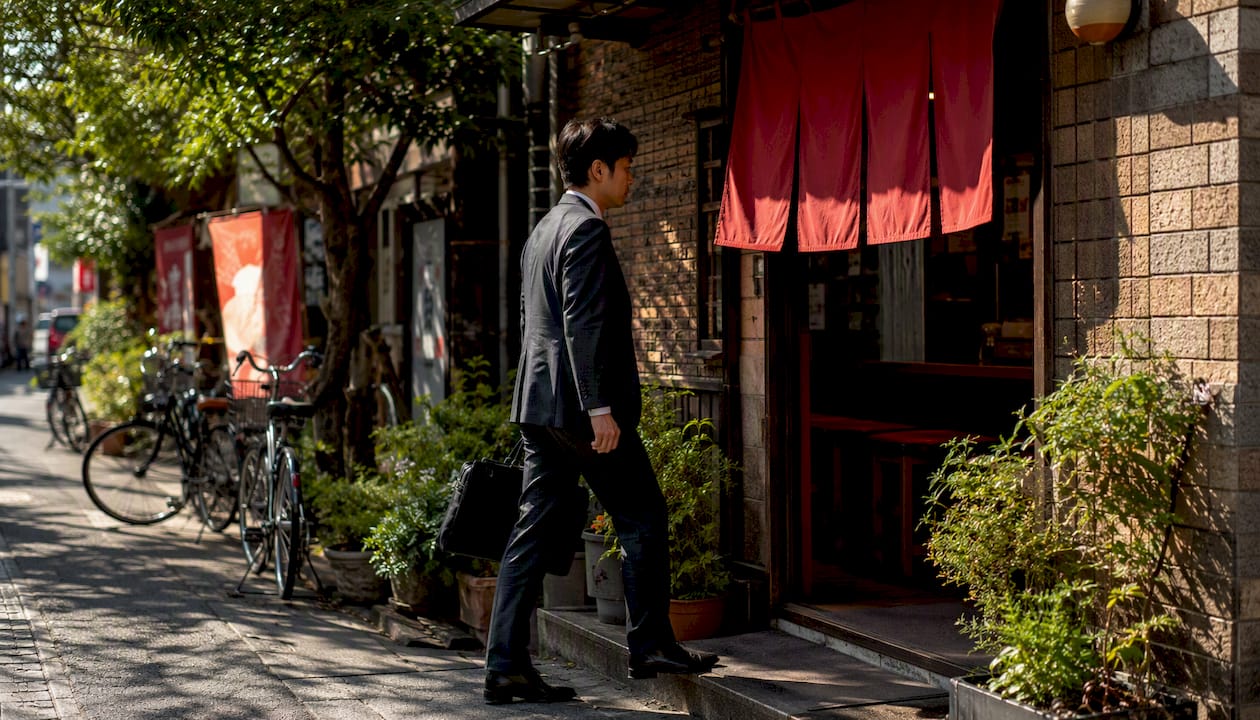
Between 12:00 PM and 1:30 PM on weekdays, office workers flood the streets around mid-size stations. Watch where they turn. They’re not heading to ramen chains with English menus — they’re heading to the teishoku lunch counter that’s been there since 1978, the standing soba shop with no sign in English, the basement curry place with a handwritten menu. Follow that foot traffic. The same logic applies after 6 PM, when the same crowd gravitates toward small izakaya and yakitori stalls that rarely appear on any app.
Map and review filtering
Open Google Maps, search a neighborhood name, and filter by “newest first” in the reviews tab. Skip anything reviewed primarily in English. Look for Japanese-language reviews that mention specific dishes, specific staff, or specific times of day — those are the markers of a regular, not a tourist. Repeated phrases like “いつも” (always) or “常連” (regular customer) signal a place with a loyal local base.
For social discovery, small neighborhood Instagram accounts and ward-level Facebook groups often post about pop-up craft markets, local matsuri, and seasonal food stalls that never reach national calendars. Station noticeboards and local ward pages list these events weeks in advance.
Pro Tip: Before your trip, search Reddit’s r/JapanTravel for the specific neighborhood you’re targeting, filtered by posts from the last three months. The most useful threads are usually titled something like “Yanaka half-day — what I found” rather than “Best things to do in Tokyo.”
A practical half-day routine: pick one neighborhood, ride a local line to reach it, exit away from the main gate, walk two streets over, and spend 90 minutes in that single block radius before moving. Slow, focused exploration in one district consistently delivers more genuine discovery than covering three neighborhoods in a day.
The best off-the-beaten-path neighborhoods and specific spots to visit
Each entry below gives you a character sketch, specific places, transport, timing, and a cost note. These are starting points, not exhaustive lists.
Yanaka / Yanesen
Tokyo’s most intact shitamachi neighborhood, where wooden machiya townhouses line narrow lanes and the pace feels genuinely unhurried. The area survived both the 1923 earthquake and WWII bombing, which is why it still feels like a different century.
Yanaka Ginza — a 170-meter covered shopping street with fishmongers, tofu shops, and sembei sellers. Arrive before 10 AM to see it as locals do, before the weekend crowds arrive. Free to walk; snacks from ¥100.
Yanaka Cemetery — less morbid than it sounds. Cherry trees line the main path, cats wander freely, and the quiet is remarkable for a city this size.
Local sento — several small neighborhood bathhouses operate in Yanaka; look for the chimney stacks. Admission typically runs around ¥500–¥550.
Nearest station: Nippori (JR Yamanote/Keisei lines) or Yanaka (Tokyo Metro Chiyoda Line). Best visited on a weekday morning.
Shimokitazawa
The creative pulse of southwest Tokyo. Shimokitazawa runs on vintage clothing, independent theater, and live music. Its rhythm is nocturnal — the neighborhood wakes up around noon and peaks after dark.
Vinyl and listening bars — small bars where the owner curates the music and conversation is secondary to the sound. No cover charge at most; drinks at modest local prices.
Vintage shops — dozens of tightly curated second-hand stores, many specializing in a single era or style. Prices vary, with some items at affordable rates and others more costly.
Gotokuji Temple — a short walk from Shimokitazawa, this is the temple credited with originating the maneki-neko (beckoning cat) figurine. Hundreds of ceramic cats line the votive shelves. Free entry; a short walk from Gotokuji Station on the Setagaya Line.
Nearest station: Shimokitazawa (Odakyu/Keio Inokashira lines). Best visited late afternoon through evening.
Koenji
Koenji carries a different energy from Shimokitazawa — rougher, more eclectic, with a strong vintage subculture and one of Tokyo’s best small live-music scenes. The covered arcades here are longer and less curated than Shimokitazawa’s, which makes wandering feel more genuinely accidental.
Koenji Awa Odori — one of Tokyo’s largest summer festivals, held in late August, draws hundreds of thousands of people to the neighborhood’s streets. Outside festival season, the same streets are quiet and exploreable.
Antique and junk shops — the north side of the station holds a cluster of shops selling everything from Showa-era kitchenware to vintage military surplus.
Nearest station: Koenji (JR Chuo Line). Best on a weekend afternoon outside peak festival dates.
Kiyosumi-Shirakawa
A former industrial district that reinvented itself around specialty coffee and contemporary art without losing its warehouse bones. The urban food culture here is concentrated and walkable — roasters, fermentation shops, and small galleries cluster within a few blocks.
Specialty coffee roasters — Blue Bottle Coffee opened its Japan flagship here, but the more interesting stops are the smaller independent roasters nearby.
Contemporary art galleries — several small galleries occupy former warehouses; most are free to enter.
Nearest station: Kiyosumi-Shirakawa (Tokyo Metro Hanzomon/Toei Shinjuku lines). Best on a weekday morning.
Hamarikyu Gardens
Surrounded by skyscrapers on three sides and Tokyo Bay on the fourth, Hamarikyu is a 250-year-old tidal garden that feels genuinely removed from the city. The seawater pond changes with the tides. Admission is ¥300. Arrive early on a weekday and you may share it with almost no one.
Nearest station: Shiodome (Toei Oedo Line) or Shimbashi (JR/Tokyo Metro). Best on a weekday morning.
Kappabashi (Kitchen Town)
A specialist street running nearly 800 meters through Taito Ward, lined with over 170 shops selling professional kitchen equipment, ceramics, lacquerware, and the plastic food models you see in restaurant windows. This is where Tokyo’s chefs shop. Most stores are open to the public; prices are trade-level for quality goods. A carbon-steel knife here costs a fraction of what the same piece sells for in a Western kitchenware boutique.
Nearest station: Tawaramachi (Tokyo Metro Ginza Line). Best on a weekday morning; many shops close Sundays.
Tsukiji Outer Market and depachika
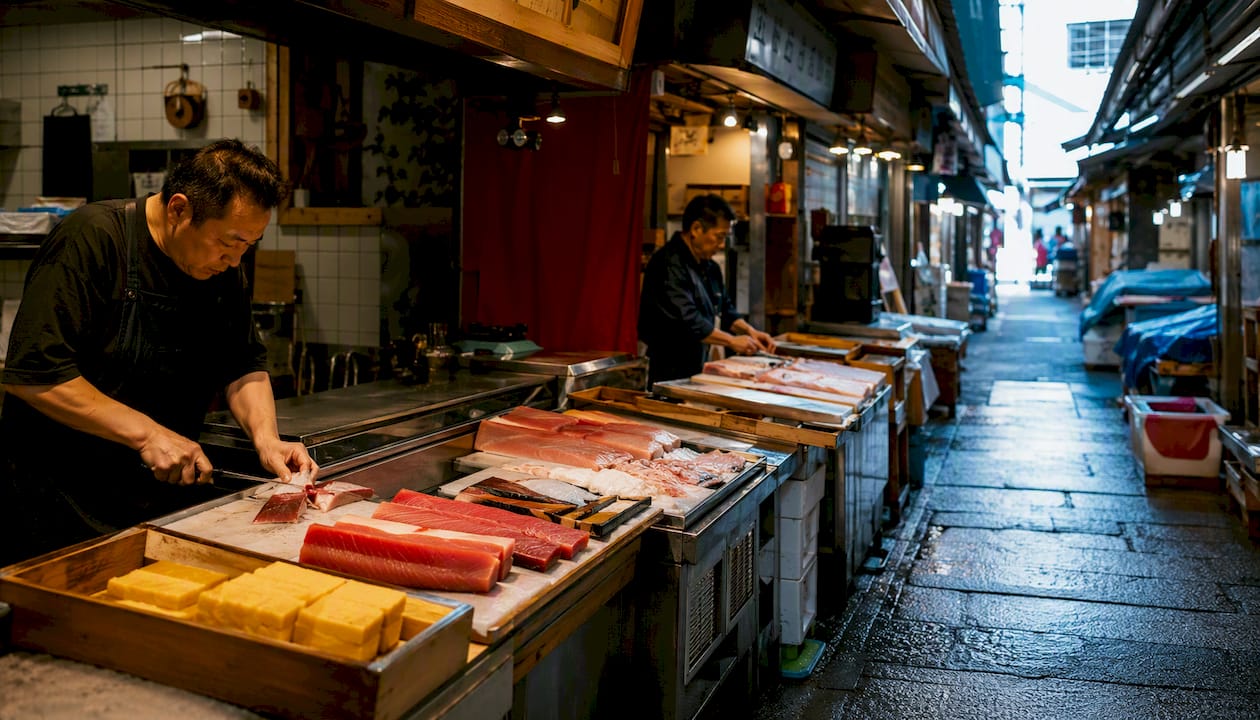
The inner wholesale market moved to Toyosu, but the outer market’s narrow lanes still hold fishmongers, tamagoyaki specialists, and knife sharpeners who’ve worked the same stalls for decades. Arrive before 9 AM for the best selection and the least foot traffic.
For depachika — the extraordinary food halls in department store basements — Matsuya Ginza and Takashimaya Nihombashi are the most rewarding. Regional Japanese food culture is concentrated here: Kyoto pickles, Hokkaido dairy, Okinawan sweets, and bento assembled with the care of a restaurant kitchen. Budget ¥500–¥2,000 for a serious tasting tour. The role of local cuisine in shaping a city’s identity is nowhere more visible than in a well-curated depachika basement.
Maenohara Onsen Sayano Yudokoro
One of Tokyo’s lesser-known onsen complexes, Maenohara Onsen Sayano Yudokoro claims 100% natural hot spring water pumped directly from the source, with a garden, multiple bath types, and on-site dining. Weekday admission runs at a typical local rate; weekends cost slightly more. Accessible by public transit from central Tokyo.
Konparu-yu
Hidden behind a narrow side street in Ginza, Konparu-yu has operated as a sento since 1863 — making it one of the oldest functioning public bathhouses in central Tokyo. The interior preserves traditional tile murals and the full bathing ritual. The cultural and historical significance of this place is hard to overstate: it’s a working piece of Edo-period community life, tucked behind one of the world’s most expensive shopping streets.
When to go, what it costs, and how to get around
Recommended visit windows
Weekday mornings (9 AM to noon) and late afternoons (3 PM to 6 PM) are the sweet spots for off-the-beaten-path exploration. Crowds thin, shopkeepers have time to talk, and the neighborhood rhythm is visible rather than buried under tourist foot traffic.
Seasonally, late September through November and March (before cherry-blossom peak) offer the best combination of pleasant weather and manageable crowds. Cherry-blossom season (late March to mid-April) is beautiful but turns even quiet neighborhoods busier than usual. Summer (July to August) is hot and humid; festivals are frequent but so is the heat.
Sample itineraries
Half-day neighborhood walk (4 hours): Arrive at Nippori Station by 9 AM. Walk south through Yanaka Cemetery, turn into Yanaka Ginza by 9:30 AM, browse the morning market stalls, then follow the backstreets toward Nezu Shrine. End with a sento visit before noon. Total transit cost: under ¥300 on a Suica card.
Full-day mixed neighborhoods (7–8 hours): Start in Kiyosumi-Shirakawa for morning coffee (9 AM). Take the Hanzomon Line to Omotesando, then transfer to the Ginza Line for Tawaramachi and Kappabashi (11 AM). Lunch at Tsukiji Outer Market (1 PM). Afternoon in Hamarikyu Gardens (3 PM). End the day in Shimokitazawa for dinner and a listening bar (6 PM onward). Budget ¥1,500–¥2,500 for transit on a Suica card.
Price reference
Experience | Typical cost |
Sento admission (e.g., Konparu-yu) | a typical neighborhood bathhouse fee |
Onsen day-use (e.g., Maenohara, weekday) | a typical local onsen entry fee |
Onsen day-use (e.g., Maenohara, weekend) | a moderately higher weekend fee |
Small izakaya meal (food + one drink) | a moderate local price range |
Depachika snack or bento | a moderate local price range |
Hamarikyu Gardens admission | a modest admission fee |
Kappabashi browsing | Free (purchases vary) |
Transit tips
A Suica or Pasmo prepaid IC card covers every train, subway, bus, and streetcar in Tokyo. Load ¥3,000–¥5,000 at the start of your trip and top up at any station kiosk. For local-line exploration, the Setagaya Line and Toden Arakawa streetcar charge flat fares under ¥200 per ride. Taxis are useful after midnight when trains stop, but for daytime neighborhood exploration, transit is faster and far cheaper.
Etiquette and safety when exploring off the beaten path
In small shops and izakaya
Wait at the entrance until acknowledged — walking straight to a table or shelf is considered rude in small venues.
Ask before photographing anything, including food and interiors. A simple “shashin, ii desu ka?” (May I take a photo?) goes a long way.
Small cash purchases are appreciated in neighborhood shops; many don’t accept foreign credit cards.
Keep your voice at conversation level. Small Tokyo venues are quiet by design.
Sento and onsen rules
Wash thoroughly at the shower station before entering any communal bath. This is non-negotiable.
Keep your towel out of the water at all times; fold it on your head or leave it on the side.
Tattoos remain restricted at many traditional sento and onsen. Check the venue’s policy before visiting; some smaller sento are more flexible if you ask politely.
Spaces are gender-separated. Respect the division without exception.
Family hours (typically early evening) are common; the atmosphere shifts noticeably.
Photography in residential neighborhoods
Tokyo’s residential streets are generally safe to photograph, but pointing a camera directly at someone’s home or garden without acknowledgment feels intrusive. If a resident is present, a small bow and a questioning look usually communicates your intent. Most people respond warmly.
Safety and language at night
Tokyo is exceptionally safe by global standards, and wandering residential streets after dark carries minimal risk. The main practical challenge is language. Learn three phrases before you go: “sumimasen” (excuse me), “arigatou gozaimasu” (thank you), and “eigo, hanasemasu ka?” (do you speak English?). Delivered with a genuine smile, these open more doors than any translation app.
Why slow, local-led exploration reveals Tokyo’s hidden layers
Tokyo’s urban logic is layered in a way that rewards patience. The city grew organically around hundreds of former village centers, each with its own shrine, market street, and bathhouse. Those layers didn’t disappear when Tokyo became a megacity — they went quiet, tucked behind the main commercial avenues.
Bathhouse historian Shinobu Machida has written about this directly, noting that Tokyo’s hidden spaces — sento tiles, contemplative gardens — represent a cultural tradition deliberately designed to slow people down. The sento wasn’t just a place to wash; it was the neighborhood’s social center, the place where hierarchies dissolved in the steam. Understanding that history changes how you approach a place like Konparu-yu, which has held that social function in Ginza since 1863.
The same logic applies to specialist streets like Kappabashi and the book district of Jimbocho. Tokyo organized its commercial life by craft and trade, not by foot traffic. Seeking out those specialist concentrations is a high-probability way to find genuine local expertise rather than tourist-facing retail.
Koishikawa Korakuen, an Edo-period garden beside Tokyo Dome, illustrates this perfectly. It sits next to one of the city’s busiest entertainment complexes, yet its moss-covered stones and lotus pond feel genuinely removed from the surrounding noise. These pockets of slowness weren’t accidents — they were designed into the city’s fabric. Finding them requires the same quality the spaces themselves embody: a willingness to slow down and look sideways.
Why curiosity-led discovery changes how you experience Tokyo
The first time we ran station roulette on the Toden Arakawa streetcar, we had no plan. We got off at a stop with a single vending machine and a hand-painted sign for a tofu shop. Twenty minutes later, we were sitting in a sento we’d never have found on any app, sharing a bench with a retired schoolteacher who’d been coming to that bathhouse for forty years. He pointed us toward a yakitori counter three streets over that had no English menu and no online presence. It was the best meal of the trip.
That experience reframed everything. Tokyo doesn’t hide its best places — it just doesn’t advertise them. The city rewards people who move at its pace rather than the pace of a highlights reel. If you take one thing from this guide, let it be this: commit to one neighborhood, one morning, and one method. The city will do the rest.
When a guided local experience makes the difference
Self-directed exploration is deeply rewarding, but it has real friction points: language barriers at reservation-only restaurants, the challenge of accessing craft workshops that don’t list in English, and the time cost of researching neighborhoods from scratch. That’s where a local-host-led experience earns its place.
[
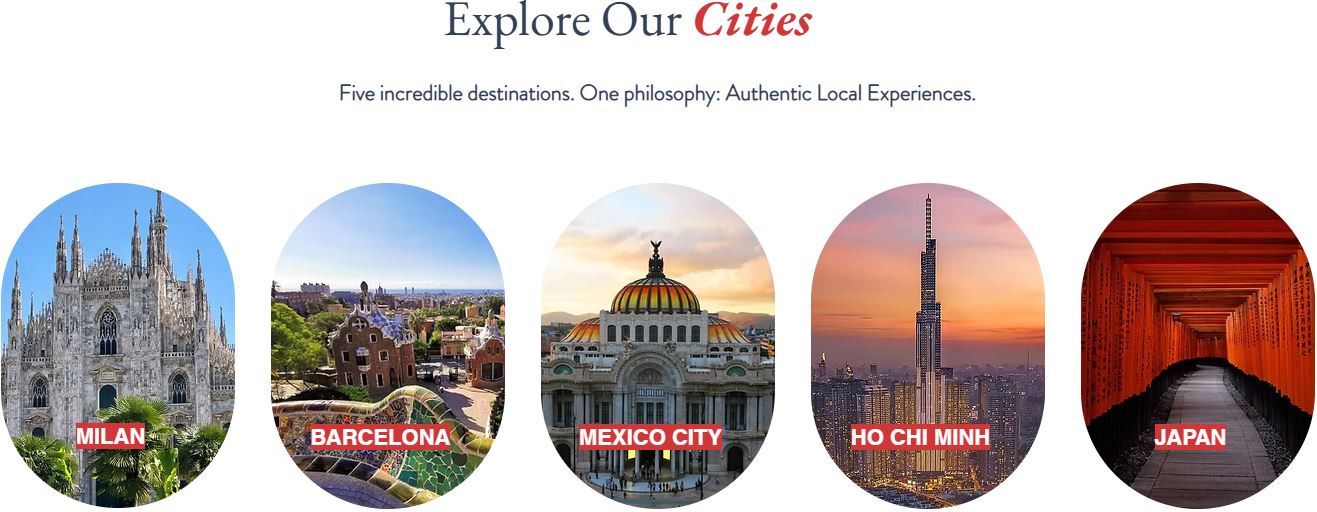
Rbantours designs exactly this kind of access for travelers in Japan. Rather than a standard sightseeing tour, the focus is on guided walking and cultural experiences that take you into the neighborhoods, workshops, and food spaces that most visitors never reach. Local hosts handle the language, the reservations, and the introductions — so you spend your time experiencing rather than navigating. For first-time visitors on a tight schedule, or anyone who wants curated craft and food experiences without the research overhead, this is the most direct route to the kind of discovery this guide describes. Browse Rbantours’ Japan experiences and book the option that fits your travel style.
Sources
These are the resources we return to when planning off-the-beaten-path visits to Tokyo. Each one is listed for a specific purpose.
Recommended
Comments