
How Food Shapes the Japanese Travel Experience

Food is the primary lens through which most travelers come to understand Japan, and the trips that center on it tend to be the most memorable. To make the most of that, prioritize tabigohan (travel meals) over Instagram-famous spots, plan at least one regional specialty per destination, and use local signals like handwritten menus and long queues to find the real thing. According to the Japan Tourism Agency’s 2023 survey, 36.0% of visitors listed eating Japanese food as the activity they most looked forward to, making it the single most anticipated experience of any trip. Start at Tsukiji Outer Market or Toyosu Fish Market in Tokyo: both offer an immediate, sensory introduction to the pulse of Japanese food culture, from pre-dawn tuna auctions to counter-style sushi that costs a fraction of what you’d pay at a restaurant.
Prioritize tabigohan over photo-only restaurants: the meal tied to a place and moment is always more memorable than the one that photographs well.
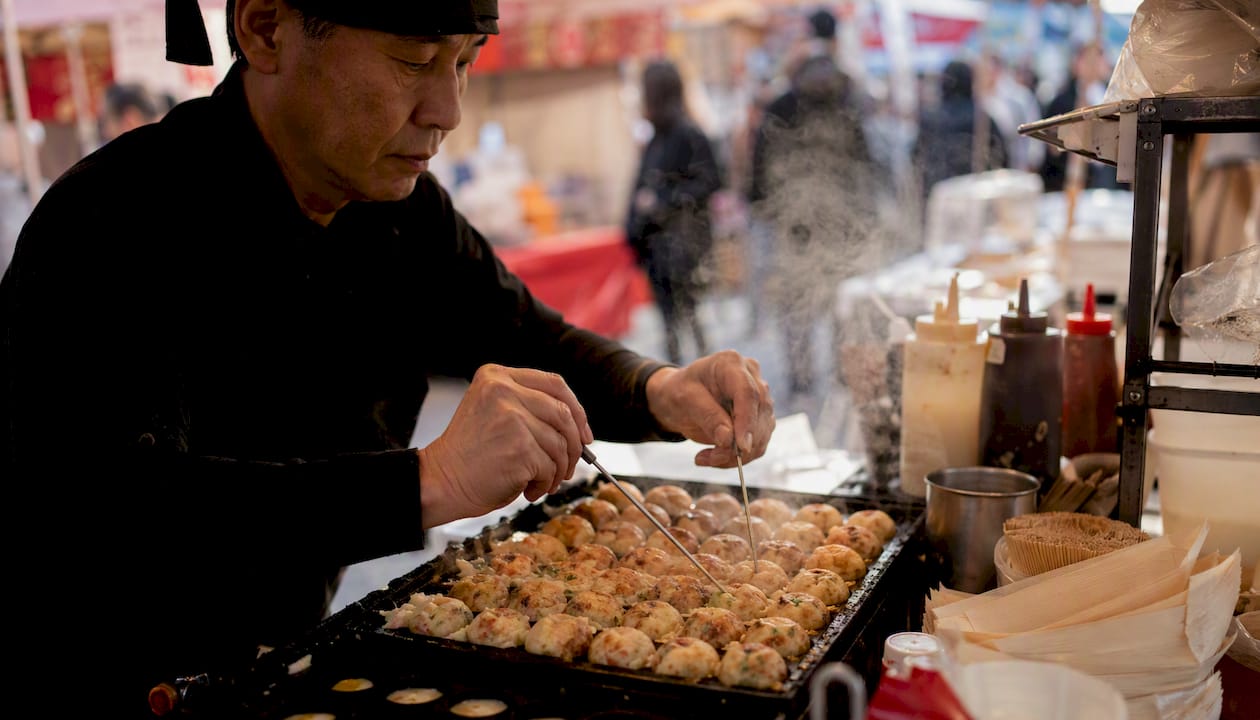
Plan one regional specialty per city: Osaka’s takoyaki, Kyoto’s kaiseki, Hokkaido’s soup curry.
Read the room: a handwritten menu, a line of locals, or an eki-naka kiosk signals authenticity more reliably than any app.
Key Takeaways
Food is the single most anticipated activity for visitors to Japan, and the trips built around it tend to be the most culturally rich and personally memorable.
Point | Details |
Food drives travel decisions | 36.0% of 2023 visitors ranked eating Japanese food as their most anticipated activity. |
Tabigohan is the mindset | Treat every meal as tied to its place and moment; ekiben, yatai, and depachika are as important as restaurants. |
Regional specialties anchor itineraries | Plan one signature dish per destination: kaiseki in Kyoto, tonkotsu in Fukuoka, soup curry in Hokkaido. |
Authenticity signals are local | Handwritten menus, local queues, and eki-naka kiosks outperform app ratings for finding genuine food. |
Rbantours for guided access | Rbantours Japan experiences pair local hosts with small-group formats for food-first cultural immersion. |
Table of Contents
Why food frequently motivates travel to Japan
The numbers behind food tourism in Japan are striking. A 2008 Japanese government survey found that 64.5% of foreign tourists named eating Japanese cuisine as their leading reason for visiting, a figure that held cultural weight long before the global sushi boom.
Scholar C. Bestor frames this pull as something deeper than appetite. In his analysis of cuisine and identity in contemporary Japan, he argues that Japanese food operates as a cultural industry and a form of soft power, functioning simultaneously as everyday domestic practice and as an exportable cultural product. The result is a cuisine that carries genuine meaning wherever it travels, which is precisely why travelers feel compelled to experience it at its source.
That dynamic reshapes how food-motivated travelers plan their trips. When food is the motive, itineraries stretch: stays get longer, routes bend toward regional markets and farm visits, and a single bowl of ramen in Fukuoka can justify an overnight detour. The concept of tabigohan, meaning “travel meal,” captures this perfectly. It frames eating while traveling not as a logistical necessity but as the cultural experience itself, tied to place, season, and the irreversible fact that you can only eat this dish, here, right now. For a deeper look at how gastronomy shapes travel more broadly, the role of gastronomy in travel is worth reading alongside this guide.
Where to eat in Japan: the formats that matter most
Japan’s eating culture is organized into formats, and each one offers a different window into the country’s rhythm. Knowing which format to seek in which moment is half the skill of food travel here.
Tsukiji Outer Market and Toyosu Fish Market: Tsukiji’s outer market remains one of Tokyo’s most electric food environments, with vendors selling tamagoyaki, fresh uni, and grilled scallops steps from each other. Toyosu is where the professional tuna auctions now happen; observation spots fill fast, so book ahead through the official JNTO gastronomy page.
Depachika (department store basements): These are Japan’s most underrated food destinations. Isetan in Shinjuku or Takashimaya in Osaka stock regional specialties from across the country, beautifully packaged and staffed by people who genuinely know what they’re selling. A depachika sweep before a long train ride doubles as both lunch and a regional sampler.
Izakaya: The Japanese pub is where the country unwinds. Order small plates, drink slowly, and stay long. The best ones have no English menu, which is exactly the point.
Ryokan and kaiseki: A kaiseki dinner at a traditional inn is one of the most deliberate meals you’ll ever eat: eight to twelve courses, each tied to the season and the region, served in a room that feels designed around the food. Book at least two to three months ahead for peak seasons.
Street stalls and yatai: Fukuoka’s yatai stalls along the Naka River are the most famous example, but summer festivals across the country bring out grilled corn, yakitori, and kakigori (shaved ice) in every neighborhood.
Konbini (convenience stores): 7-Eleven, Lawson, and FamilyMart are not a fallback. Onigiri, hot nikuman, and seasonal sandwiches are genuinely good, and the coffee is excellent. Konbini culture is part of the food story.
Ekiben (train bento boxes): Sold at station kiosks before long-distance trains, ekiben are curated snapshots of regional cuisine. The crab bento from Hokkaido or the persimmon-leaf sushi from Nara are not convenience food; they’re the region in a box.
Vending machines: Japan’s vending machine culture extends well beyond drinks. Hot corn soup in winter, regional canned ramen, and fresh eggs near farms are all fair game.
Pro Tip: For the best ekiben selection, arrive at the station 20 minutes before your Shinkansen departs. The most popular regional boxes sell out early, and the eki-naka kiosks near the platform gates often stock varieties you won’t find online.
Street food tours are one of the most efficient ways to cover multiple formats in a single outing. If you’re weighing whether to go self-guided or with a group, this guide to street food tours lays out what each approach actually delivers.
Regional dishes worth planning your trip around
The most rewarding food travel in Japan is organized around a destination’s signature dish and the setting where it tastes best. Here’s a practical map:
City / Region | Signature Dish | Best Setting |
Tokyo | Sushi, depachika wagashi | Counter omakase or Tsukiji Outer Market stall |
Osaka | Takoyaki, okonomiyaki | Street stall near Dotonbori, standing counter |
Kyoto | Kaiseki, yudofu (tofu hot pot) | Ryokan dinner or Nishiki Market lunch |
Hokkaido | Seafood donburi, soup curry | Hakodate Morning Market, Sapporo curry shop |
Fukuoka | Tonkotsu ramen, mentaiko | Yatai stall along the Naka River, late evening |
Rural / meibutsu | Regional certified dishes (100-Year Food) | Local festivals, farmhouse restaurants |
Tokyo’s sushi counter culture rewards patience: a seat at a small omakase counter in Ginza or Koenji, where the chef selects every piece, is a fundamentally different experience from a conveyor belt. Both are worth doing, but they tell different stories. Osaka’s takoyaki is best eaten standing at the stall where it was made, burning your fingers slightly, which is the correct way to do it. Kyoto’s kaiseki is the most seasonal meal in Japan; the menu changes monthly, sometimes weekly, and a dish you ate in April will not exist in October.
Pro Tip: Hokkaido’s soup curry is best in Sapporo between October and March, when the root vegetables are at their peak. Ask for the spice level (karakasa) before ordering; most shops offer a 1–10 scale.
Japan’s 100-Year Food certification program identifies regional dishes as living cultural assets, making certified meibutsu a reliable planning cue for travelers who want community-rooted meals rather than tourist-facing approximations.
How seasonality and cultural values shape every meal
Japan’s food culture is inseparable from its seasons. The concept of shun, eating ingredients at their peak moment, governs menus from high-end kaiseki restaurants to neighborhood izakaya. Spring brings sakura mochi and hanami bento eaten under flowering trees; summer means kakigori, edamame at yatai stalls, and the grilled skewers of matsuri festivals. Autumn is the season of matsutake mushrooms, kuri (chestnuts), and sanma (Pacific saury) grilled simply with salt. Winter centers on nabe (hot pot), fresh crab from the Sea of Japan, and fugu in Osaka.
Spring: Cherry blossom sweets, flower-viewing bento, fresh bamboo shoots in Kyoto.
Summer: Festival grilled corn and yakitori, kakigori in every flavor, cold soba.
Autumn: Matsutake mushrooms, chestnut rice, sanma at izakaya counters.
Winter: Shabu-shabu and sukiyaki, Hokkaido crab, hot sake at outdoor markets.
The philosophy of omotenashi, Japan’s approach to hospitality, shapes how food is served as much as what is served. A ryokan breakfast is not just food; it’s a considered arrangement of small dishes that communicates care, place, and season simultaneously. Washoku, the traditional Japanese dietary culture recognized by UNESCO, formalizes these values: balance, seasonality, and the use of local ingredients are not marketing language but structural principles.
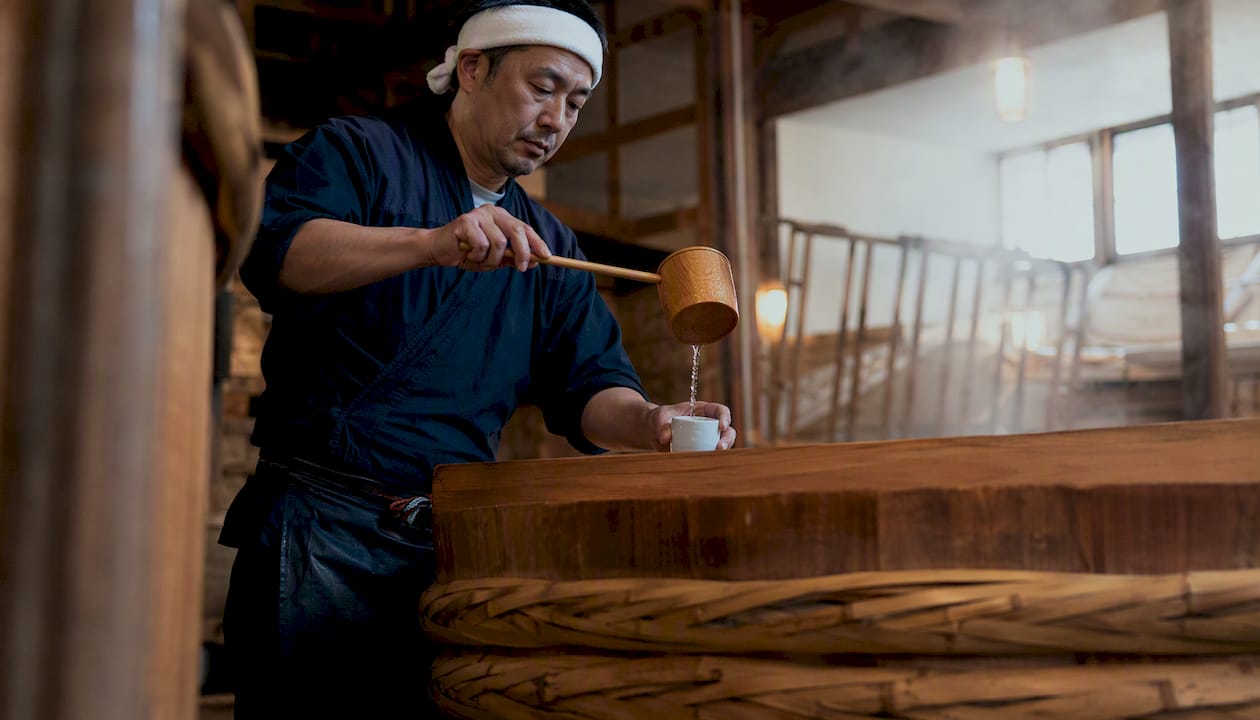
Regional producers sit at the center of this system. Visiting a sake brewery in Niigata or a miso producer in Nagano connects the meal to its source in a way that changes how you taste everything afterward. Japan’s 100-Year Food program formalizes this connection by certifying dishes that are uniquely tied to local communities and production cycles, giving travelers a map of where food and place are most authentically intertwined.
Practical tips for ordering, navigating menus, and eating well
The friction points of eating in Japan are real but manageable. A few habits make the difference between a good meal and a great one.
Use lines as your primary filter. A queue of locals at lunch is more reliable than any review app. If a ramen shop has eight seats and a 20-minute wait, sit down.
Handwritten menus signal freshness. A chalkboard or hand-lettered paper menu usually means the chef is working with what arrived that morning.
Book omakase and kaiseki early. Two to three months ahead for peak seasons (March to May, October to November); some Tokyo counters require reservations six months out.
Depachika and konbini are not backup plans. Use them intentionally: depachika for regional specialties and gifts, konbini for breakfast or a late-night snack that actually tastes good.
Slurping noodles is correct. No tipping, ever. Handing money directly to a chef at a counter is sometimes considered rude; use the tray.
For dietary restrictions: Vegetarian and vegan options exist but require planning. Shojin ryori (Buddhist temple cuisine) in Kyoto is the most reliable fully plant-based option. Ask “Bejitarian ryori wa arimasu ka?” (Do you have vegetarian dishes?) at restaurants. Allergen cards in English are available from some tourism offices and apps like Eatwith or Savor Japan.
A few phrases open doors that menus can’t:
“Osusume wa nan desu ka?” — What do you recommend?
“Sumimasen” — Excuse me (to get a server’s attention).
“Kore o onegaishimasu” — I’ll have this one (pointing works perfectly here).
These essential Japanese travel phrases reduce menu anxiety and often prompt staff to bring out dishes they wouldn’t otherwise mention to foreign visitors.
Pro Tip: Don’t over-rely on Instagram to find your next meal. The most memorable tabigohan moments tend to happen at depachika counters, eki-naka kiosks, and local queues, not at the spots with 10,000 tagged photos. Follow the locals, not the feed.
How to plan a food-first trip to Japan
The most satisfying food trips to Japan are built around a sequence of formats and regions rather than a checklist of restaurants. Here’s how to structure it.
A 24-hour city food sprint (Tokyo or Osaka)
Morning: Tsukiji Outer Market for fresh uni, tamagoyaki, and a standing sushi breakfast.
Midday: Depachika at Isetan Shinjuku or Takashimaya Osaka for regional specialties and wagashi.
Afternoon: A cooking class or sake tasting in a neighborhood studio.
Evening: Izakaya dinner with small plates and local draft beer; order whatever the table next to you is having.
Late night: Konbini run for a seasonal onigiri and a canned coffee.
A 3-day regional food loop (Kyoto to Osaka)
Day 1: Arrive by Shinkansen with an ekiben from your departure city. Check into a ryokan; kaiseki dinner that evening.
Day 2: Morning at Nishiki Market in Kyoto, afternoon at a tofu-making or matcha workshop, dinner at a standing sushi counter.
Day 3: Train to Osaka; takoyaki and okonomiyaki in Dotonbori, depachika dessert at Takashimaya before departure.
Culinary travel reporting, including chef-led itineraries documented by Bon Appétit, shows that the most cohesive food trips combine market visits, hands-on classes, and brewery or producer experiences into a single arc rather than treating each as a standalone activity.
For booking, omakase counters and kaiseki dinners need the most lead time (two to six months). Cooking classes and guided food tours can usually be booked one to two weeks out, though peak cherry blossom and autumn foliage seasons fill faster. Prices for guided food experiences range widely: a group street food tour typically runs ¥5,000–¥10,000 per person, while a private kaiseki experience can reach ¥30,000 or more.
Planning options range from fully self-guided (eki-naka kiosks, depachika, and a good regional food map) to small-group guided tours that handle reservations, translation, and local context. Guided tours in Japan are particularly valuable for first-time visitors who want to move past the tourist layer quickly. Rbantours offers curated Japan experiences led by local hosts, combining street food walks, market visits, and cultural context into a single, well-paced day.
What a single meal taught us about traveling in Japan
We were in Fukuoka on a Tuesday evening, and the plan had been to find a well-reviewed ramen shop. Instead, our local host walked us past it to a yatai stall along the river, a six-seat counter under a canvas awning, where the owner had been making the same tonkotsu broth for over two decades. No English menu. No QR code. The host ordered for us, explained the broth’s history in a few sentences, and then stepped back.
That bowl was the moment the trip shifted. Not because the ramen was transcendent (though it was), but because the setting made it impossible to be a passive tourist. You were there, at that counter, in that city, eating something that existed only in that form in that place. That’s tabigohan at its most literal: the meal and the travel are the same experience.
The practical lesson: let a local lead you past the obvious choice. The second or third recommendation is almost always the one you’ll remember.
Curated food experiences in Japan with Rbantours
Rbantours offers something the self-planned food trip rarely delivers on its own: a local host who knows which stall opens at 6 AM, which depachika counter stocks the regional specialty you can’t find elsewhere, and how to get a seat at a counter that doesn’t take online reservations.
[
Our Japan experiences are built around small groups and private formats, combining street food walks, market visits, and cultural context into a single, well-paced itinerary. Every experience is led by a local host with genuine knowledge of the city’s food culture, not a script. For travelers who want a structured introduction to Japanese culinary culture without sacrificing spontaneity, our Walking & Cultural Tour is the most direct entry point. Group sizes stay small, itineraries are customizable, and every route is designed around authentic tabigohan principles: local, seasonal, and tied to place. Check availability and book your Japan experience directly through the Rbantours Japan page.
Sources
Recommended
Comments