
Unique Things to Do in Barcelona Beyond the Usual

Barcelona is defined by experiences that go far deeper than its famous landmarks. The most rewarding unique things to do in Barcelona are those that put you inside the city’s real rhythm: intimate flamenco shows capped at 120 people, hidden viewpoints where locals watch the sunset with homemade snacks, and food rituals that turn a simple midday drink into a two-hour social event. This guide covers the authentic activities, offbeat neighborhoods, and local traditions that most travelers never find on their own.
1. Watch flamenco in an intimate venue
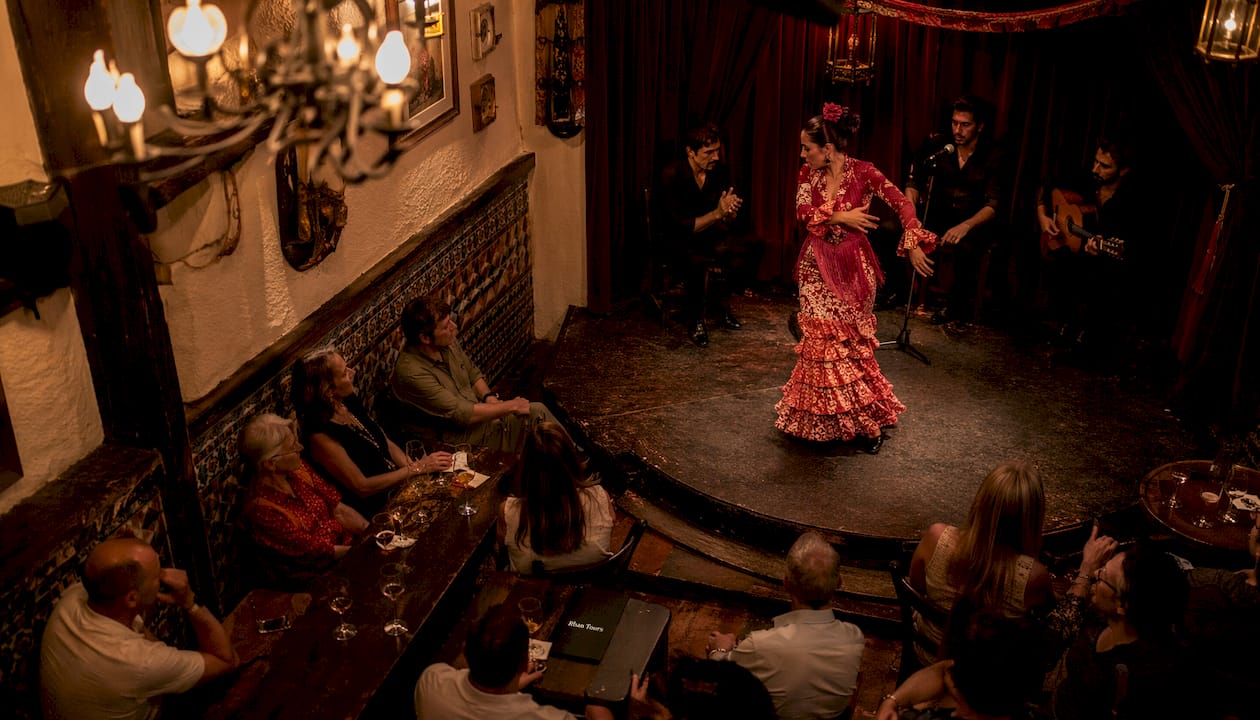
Authentic flamenco is defined by emotional rawness, not spectacle. El Duende in Barcelona limits its shows to 120 people, which means you sit close enough to hear the dancer’s footwork and feel the singer’s breath in the room. That physical closeness changes everything. Large tourist shows deliver performance. Small venues deliver experience.
Flamenco’s sensory immersion depends on historical context and proximity to the artists. When you are ten rows back instead of fifty, you read the performers’ faces, feel the tension between musicians, and understand why flamenco is considered one of Spain’s most emotionally charged art forms.
El Duende operates in the El Raval neighborhood, a short walk from Las Ramblas
Shows typically include live guitar, cante (singing), and baile (dance)
The cocktail bar format means you can arrive early and settle in before the performance begins
Pro Tip: Book El Duende at least a week in advance. With only 120 seats, weekend shows sell out fast, and last-minute tickets are rarely available.
2. Lose yourself in Gràcia and Poblenou
Barcelona’s most authentic neighborhoods are not on Las Ramblas. Gràcia retains the feel of an independent village, with narrow streets, sun-drenched plazas, and a pace that belongs entirely to its residents. Poblenou, once an industrial district, now pulses with creative energy from design studios, independent cafes, and street art that changes seasonally.
Travelers who skip these neighborhoods miss the city’s actual personality. Las Ramblas is a corridor. Gràcia and Poblenou are communities.
Gràcia: Plaça del Sol and Plaça de la Vila de Gràcia are the social centers. Arrive on a weekday morning to see locals reading newspapers and drinking coffee without a tourist in sight.
Poblenou: Walk the Rambla del Poblenou, a quieter, tree-lined version of Las Ramblas that locals actually use.
El Born: Compact and walkable, with medieval streets and some of the city’s best independent bookshops and wine bars.
Locals also recommend Plaça Sant Felip Neri in the Gothic Quarter, a small square with a fountain and a history that most visitors walk past without noticing.
3. Climb to Bunkers del Carmel at sunset
Bunkers del Carmel is the best panoramic viewpoint in Barcelona. It sits above the Carmel hill and delivers a 360-degree view of the city, the sea, and the mountains behind. The view from Montjuïc is more famous. The view from Bunkers del Carmel is more honest.
Bunkers del Carmel has no commercial amenities. No ticket booth, no café, no souvenir stand. Locals bring their own wine, snacks, and blankets and arrive an hour before sunset to claim a spot on the old Civil War bunker walls.
Viewpoint | Crowd level | Accessibility | Best time |
Bunkers del Carmel | Low to moderate | 20-minute uphill walk | Sunset |
Montjuïc Castle | High | Cable car or bus | Morning |
Park Güell terrace | Very high | Ticketed entry required | Early morning |
Tibidabo summit | Moderate | Funicular and tram | Afternoon |
Pro Tip: Bring your own provisions to Bunkers del Carmel. The walk up takes about 20 minutes from the Carmel neighborhood, and there is nothing to buy once you arrive.
4. Practice vermut hour and tapear like a local
Barcelona’s food culture is built on social rituals, not just recipes. Vermut hour happens before Sunday lunch, typically between 12:00 PM and 2:00 PM, when locals gather at bar terraces for a glass of vermouth and a small bite. It is not a drink. It is a weekly ceremony.
“Tapear” describes the practice of moving from bar to bar, ordering one tapa and one drink at each stop before moving on. This keeps the social energy moving and lets you taste more of the city in a single afternoon. Understanding these local food customs changes how you eat in Barcelona entirely.
Must-try dishes and drinks to order during these rituals:
Bombas: Meat-filled potato croquettes from the Barceloneta neighborhood, said to have been invented there in the 19th century
Paella: Order it only at lunch, never dinner. Locals consider evening paella a tourist trap.
Crema catalana: The original custard dessert, lighter than French crème brûlée and served in shallow clay dishes
Vermouth: Ask for “vermut de grifo” (draft vermouth) at traditional bars for the most authentic version
Pro Tip: Spot authentic tapas bars by their menus. Bars with menus written only in Catalan or Spanish signal a local clientele. Multilingual menus usually mean tourist pricing.
5. Shop and eat at Mercat dels Encants and Mercat Santa Caterina
Barcelona’s best local markets are not La Boqueria. La Boqueria is beautiful and worth a look, but it runs on tourist traffic. Mercat dels Encants and Mercat Santa Caterina run on local life.
Mercat dels Encants is an open-air flea market in the Poblenou district, covered by a spectacular mirrored canopy. Vendors sell everything from vintage furniture to old vinyl records and handmade ceramics. Arrive early on monday, wednesday, friday, or saturday mornings for the best finds. Mercat Santa Caterina in El Born is the neighborhood’s working food market, with a mosaic tile roof designed by Enric Miralles. It serves the residents of El Born and Sant Pere, and its produce stalls, fish counters, and prepared food bars reflect what people in that neighborhood actually eat.
6. Hike Collserola Nature Park
Collserola Nature Park sits directly behind the city and most visitors never set foot in it. The park offers long hiking trails, wildlife including wild boar, and a silence that feels impossible given you are ten minutes from the city center by FGC train.
The park covers more than 8,000 hectares and connects Barcelona to the surrounding towns of Sant Cugat and Mollet. Locals use it for trail running, mountain biking, and weekend picnics. The Torre de Collserola communications tower marks the highest accessible point and offers views across the entire metropolitan area.
Take the FGC train from Plaça Catalunya to Baixador de Vallvidrera station
The Carretera de les Aigues trail runs along the ridge and is flat enough for casual walkers
Bring water. The park has limited facilities outside the Collserola Information Center.
7. Bike from Poblenou to Ocata along the coast
Barcelona’s coastal bike path runs northeast from the city and eventually reaches the quieter beaches of Ocata and El Masnou, towns that most tourists never reach. The ride from Poblenou takes roughly 90 minutes at a relaxed pace and passes through Badalona, where locals swim and play beach volleyball without a tourist beach club in sight.
Rent a bike in Poblenou rather than from the city center. Prices are lower, the crowds are thinner, and you start the ride in one of Barcelona’s most interesting neighborhoods. The path is mostly flat and well-marked, making it accessible for any fitness level.
8. Attend Festa Major de Gràcia or La Mercè
Barcelona’s neighborhood festivals are the city’s most authentic cultural events. Festa Major de Gràcia takes place every august and transforms the streets of Gràcia into an outdoor gallery. Residents spend months decorating their streets with handmade installations, and the competition between streets is fierce and deeply personal.
La Mercè, held every september, is the city’s official annual festival and features castellers (human tower builders), sardana dancing, and correfoc fire runs through the streets. These are not performances staged for visitors. They are living traditions that Catalan communities practice year-round.
Castellers: Human towers built by teams called colles. The goal is height and precision, and the tradition dates back to the 18th century.
Sardana: A circular folk dance performed in public squares. Anyone can join the circle.
Correfoc: Fire runners dressed as devils charge through the streets with fireworks attached to pitchforks. Wear old clothes and goggles if you plan to stand close.
9. Take a unique day trip to Montserrat or Sitges
Barcelona’s surroundings offer unique day trips that feel nothing like the city itself. Montserrat is a mountain monastery an hour from Barcelona by train and rack railway, with hiking trails that wind between dramatic rock formations. Sitges is a coastal town 40 minutes south by train, known for its Modernista architecture, independent art galleries, and a carnival that rivals any in Europe.
Neither destination requires a car or a tour group. Both reward travelers who arrive early and stay past the midday crowds.
10. Join a bar-hopping experience in El Born or Gràcia
Barcelona’s bar culture is one of its defining features, and the best way to experience it is to move through it with someone who knows the rhythm. A structured bar hopping experience in El Born or Gràcia connects you with the city’s social pulse in a way that solo wandering rarely achieves. You visit bars that have no online presence, meet bartenders who have worked the same corner for decades, and understand why locals never drink standing at the bar in a hurry.
The most memorable Barcelona experiences often come from unplanned conversations in local squares rather than from ticketed landmarks. A bar-hopping format creates the conditions for exactly that.
Key Takeaways
The most authentic things to do in Barcelona are built around local rituals, intimate venues, and neighborhoods that tourists rarely reach.
Point | Details |
Intimate flamenco beats big shows | El Duende’s 120-person cap creates a connection that large tourist venues cannot replicate. |
Local neighborhoods over Las Ramblas | Gràcia, Poblenou, and El Born offer the city’s real atmosphere and daily rhythm. |
Food rituals define the culture | Vermut hour and tapear are social practices, not just eating habits. |
Bunkers del Carmel for views | This local-favored viewpoint beats Montjuïc for authenticity and atmosphere. |
Festivals are participatory | Castellers, sardana, and correfoc invite visitors to join, not just watch. |
What Barcelona taught me about traveling slowly
Most travelers give Barcelona three days and spend two of them at Sagrada Família and Park Güell. Both are worth seeing. Neither will tell you who this city actually is.
The neighborhoods are where Barcelona lives. I have spent afternoons in Gràcia watching nothing happen in a plaza and left feeling like I understood the city better than after any museum visit. The pace is different there. People sit. They talk. They order one drink and make it last an hour.
The food rituals surprised me most. Vermut hour is not about the vermouth. It is about the weekly rhythm of gathering before Sunday lunch, the same group at the same bar, the same conversation picking up where it left off. When you participate in that instead of observing it, you stop being a tourist.
My honest recommendation: skip one major landmark and spend that time walking Poblenou with no destination. The authentic experiences that stay with you are almost always the ones you did not plan.
— Rban
Barcelona experiences worth booking in advance
Rbantours designs every Barcelona experience around the city’s actual culture, not its postcard version. From local market visits and bar-hopping routes through El Born to creative workshops and neighborhood walks in Gràcia, each experience is built with local partners who know the city from the inside.
[
Whether you want to eat like a local, explore the city’s creative districts, or find the viewpoints that residents actually use, Rbantours has a curated experience for it. Browse the full range of Barcelona experiences or go straight to the Barcelona tours catalog to find the right fit for your trip.
FAQ
What are the most unique things to do in Barcelona?
The most unique Barcelona experiences include watching flamenco at intimate venues like El Duende, attending neighborhood festivals like Festa Major de Gràcia, and practicing local food rituals like vermut hour and tapear.
Where are the hidden gems in Barcelona?
Local-favored hidden gems include Bunkers del Carmel for panoramic views, the Gràcia and Poblenou neighborhoods for local atmosphere, and Mercat dels Encants for authentic flea market culture.
What is tapear and how do locals do it?
Tapear is the practice of moving from bar to bar, ordering one tapa and one drink at each stop. Locals treat it as a social ritual rather than a meal, typically done before lunch or in the early evening.
When is the best time to visit Bunkers del Carmel?
Sunset is the best time to visit Bunkers del Carmel. Bring your own food and drinks, as the site has no commercial facilities, and arrive at least 30 minutes before sunset to find a good spot.
What are the best unique day trips from Barcelona?
Montserrat and Sitges are the top offbeat day trips from Barcelona. Montserrat offers mountain hiking and a medieval monastery, while Sitges combines Modernista architecture with a relaxed coastal atmosphere, both reachable by train in under an hour.
Recommended
Comments