
Unlock personalized travel: discover unique, immersive journeys

The way people explore the world is changing fast. Personalized travel has grown from a niche luxury into a global force, with the market expanding from $91.2 billion in 2020 toward a projected $447.3 billion by 2030. That is not just a number. It signals a deep, collective hunger for something more meaningful than a generic itinerary and a bus full of strangers. Travelers today want to feel the pulse of a city, connect with its people, and walk away with stories that belong only to them. This article gives you the tools to make that happen.
Table of Contents
Key Takeaways
Point | Details |
Personalization is booming | The personalized travel market is rapidly growing, signaling huge demand for unique journeys. |
Tech powers, but doesn’t replace, humans | AI and OTAs make trip planning easier, but real human expertise and creativity create the most memorable experiences. |
Authenticity requires local collaboration | Working with locals and creative hosts unlocks deeper immersion and cultural connection. |
Avoid generic ‘personalization’ | Be proactive and skeptical—true tailored travel involves more than just algorithmic suggestions. |
What makes a travel experience personalized?
Personalization is one of those words that gets used a lot and defined rarely. So let’s be precise. A truly personalized travel experience is not just swapping one hotel for another or choosing your own flight time. It goes much deeper than that.
At its core, personalized travel is built on three pillars: curation, co-creation, and narrative. Curation means that someone with genuine local knowledge has handpicked every element of your experience for you specifically. Co-creation means you are actively involved in shaping what happens, not just selecting from a dropdown menu. And narrative means your experience tells a story, one that connects places, people, and moments into something coherent and memorable.
Consider the difference between a standard food tour and a hidden street food walk designed around your actual flavor preferences, led by a local chef who grew up eating those dishes. Or compare a generic art class to a Paint & Sip evening in a Barcelona studio where the host is a working artist who shares the stories behind the neighborhood’s creative scene. The Barcelona experiences that truly stay with you are the ones built around human connection, not just logistics.
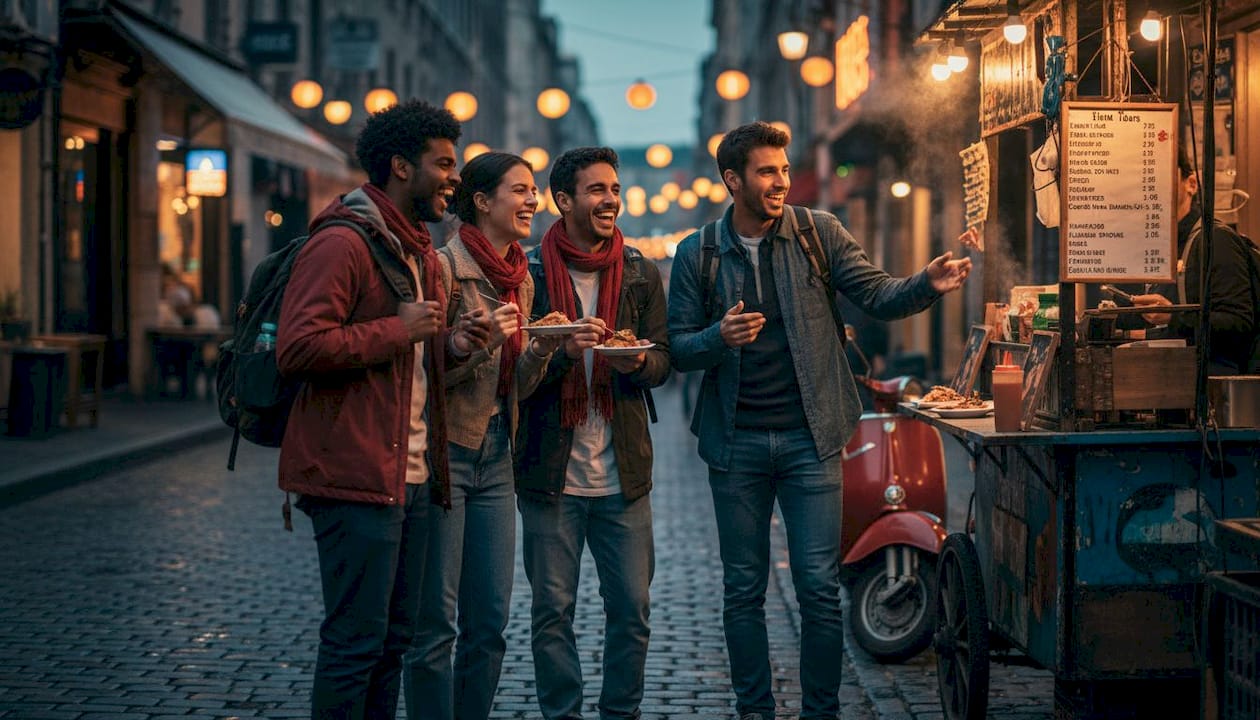
Research into immersive cultural travel confirms that the most impactful experiences focus on co-creation, narrative-driven curation, and off-internet exclusivity. In other words, the best moments are the ones you cannot Google your way into.
Here is a quick comparison to illustrate the difference:
Standard tour | Personalized experience |
Fixed group itinerary | Shaped around your interests |
Generic highlights | Hidden gems chosen for you |
Passive sightseeing | Active participation |
No local relationship | Direct connection with locals |
Forgettable | Genuinely memorable |
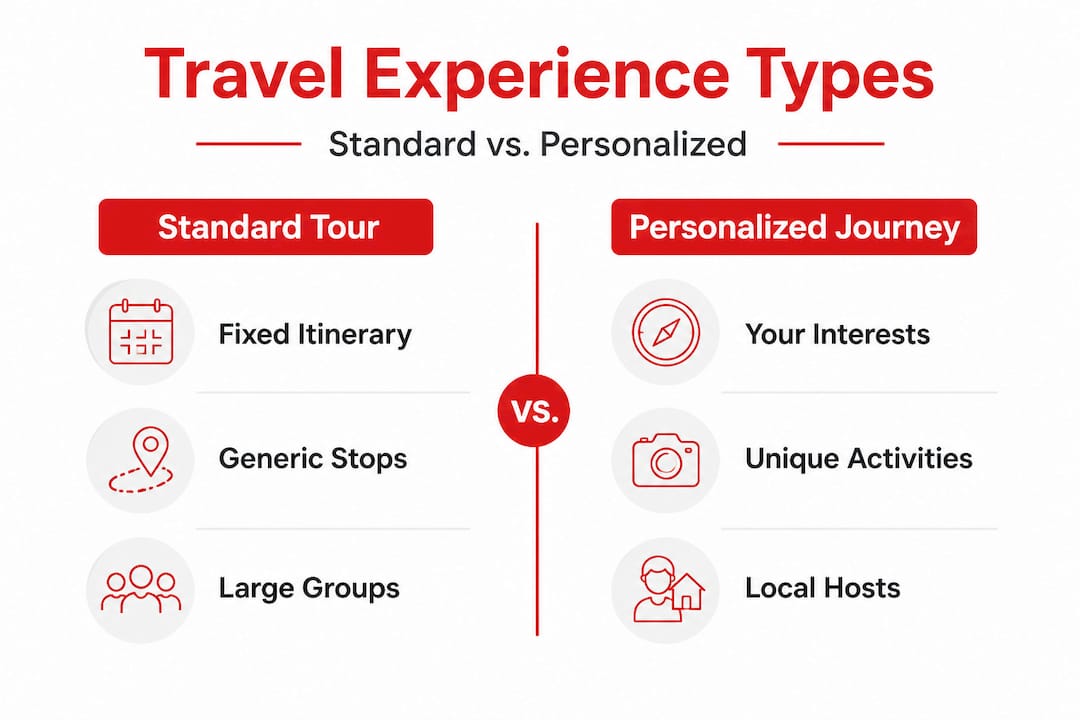
What separates the two is not price. It is intention. When someone designs an experience with you in mind, the result feels entirely different. You are not a tourist moving through a city. You are living it.
Key elements to look for in a genuinely personalized experience include:
Local expertise: Your host or guide has deep, lived knowledge of the destination
Creative engagement: You are doing something, making something, or learning something real
Flexibility: The experience can shift based on your mood, pace, or curiosity
Exclusivity: It is not available to everyone who visits
Storytelling: Every stop, dish, or workshop connects to a larger narrative about the place
How technology is powering personalized journeys
Once you understand what personalized travel means, it is helpful to see how technology is shaping its evolution.
Technology has made personalization more accessible than ever before. Online travel agencies now dominate bookings, and AI-powered tools are changing how people plan their trips. According to Phocuswright’s 2026 research, 39% of US travelers are already using AI tools to help plan their journeys. Spa visits and gourmet dining consistently rank as top requested experiences in the luxury segment.
But here is where it gets interesting. The same research makes clear that luxury travelers still want human touch. Personal butlers, expert local guides, and curated human interactions remain irreplaceable because they offer something AI cannot: genuine anticipation of what you need before you even ask for it.
AI tools like ChatGPT can save planning time and help generate itinerary ideas, but they carry real risks including inaccuracy, outdated information, and a lack of nuanced cultural understanding. A chatbot does not know that a particular market in Mexico City is best visited on a Tuesday morning, or that a specific ramen shop in Japan only seats eight people and requires a reservation made through a local contact.
Here is how to use technology wisely when planning a personalized trip:
Use AI for inspiration, not final decisions. Let it generate a broad list of ideas, then verify everything with local sources.
Cross-reference with community platforms. Real traveler reviews and local forums often surface details that algorithms miss.
Look for providers with a physical, verifiable presence. Established companies with real local teams offer far more reliable personalization.
Prioritize human-designed itineraries. A local expert who knows the rhythm of a city will always outperform a generative model.
Use apps for logistics, not for soul. Booking tools and maps are great for getting around. They are not great for finding meaning.
Pro Tip: When researching CDMX travel experiences or planning a trip through Japan, use AI to build a rough framework, then hand that framework to a local expert who can fill it with real texture and life.
The best technology does not replace human connection. It clears away the noise so that connection can happen more easily.
Culture, creativity, and collaborating with locals
While technology is a powerful enabler, the heart of personalized travel is human connection and creativity.
When you work directly with local experts, something shifts. You stop seeing a city as a collection of attractions and start experiencing it as a living, breathing place with its own rhythms and stories. A local artist in Barcelona does not just show you where to find street art. They explain why a particular mural exists, who painted it, and what it says about the neighborhood’s history. That context transforms a wall into a window.
Research into immersive travel consistently points to co-creation and narrative as the defining factors in experiences that travelers remember for years. The more actively you participate in shaping an experience, and the more clearly that experience connects to a real story, the deeper the impression it leaves.
“The most memorable travel moments are not the ones where you watched something happen. They are the ones where you were part of something happening.”
Creative workshops are a particularly powerful form of cultural immersion. A cooking class taught by a home cook in Mexico City teaches you far more about local life than a restaurant meal. A craft workshop with a local ceramicist in Vietnam connects you to traditions that have existed for centuries. These experiences do not just entertain. They educate, inspire, and create genuine bonds between travelers and the places they visit.
Practical steps to ensure your cultural experiences are authentic and personalized:
Ask who your host is before you book. A genuine local expert will have a story, a background, and a reason they do what they do.
Look for small group or private formats. The smaller the group, the more tailored the experience can be.
Seek out creative formats. Workshops, collaborative meals, and artist meet-ups create participation, not just observation.
Prioritize off-the-beaten-path locations. The best experiences often happen in places that do not appear on mainstream travel lists.
Follow curiosity over checklists. The most meaningful moments often come from an unplanned conversation or an unexpected detour.
Pro Tip: When exploring Barcelona cultural tours or CDMX immersive experiences, ask your host what they personally love about the neighborhood. That answer will tell you more about the city than any guidebook.
The creative energy of a city lives in its people. When you connect with those people directly, you do not just visit a destination. You feel its soul.
Common pitfalls and how to actually personalize your trip
As you seek out authentic and creative experiences, be mindful of common pitfalls and learn how to sidestep them.
The biggest mistake most travelers make is confusing customization with personalization. Choosing your own hotel room type is customization. Having someone who knows you, or takes the time to understand you, design an experience around your specific interests is personalization. These are not the same thing.
Another common trap is over-relying on digital tools. As noted earlier, AI planning tools can introduce inaccuracies and knowledge gaps that lead travelers astray. A restaurant that an AI confidently recommends may have closed six months ago. A “hidden gem” that appears in every AI-generated itinerary is no longer hidden.
Here is a step-by-step process for planning a genuinely personalized trip:
Define your travel goals. Are you seeking creative inspiration, cultural depth, culinary adventure, social connection, or all of the above? Get specific.
Research destinations with intention. Instead of searching for “best things to do in X city,” search for the creative communities, local markets, and independent venues that reflect your interests.
Connect with local providers directly. Look for companies and guides with a genuine local presence, real reviews from real travelers, and a clear philosophy about what they offer.
Verify before you commit. Check that your provider is active, responsive, and able to speak to your specific interests. A good local expert will ask you questions before they propose an itinerary.
Build in space for spontaneity. The best personalized trips are not over-scheduled. Leave room for the unexpected, because that is often where the magic lives.
Reflect and engage during the experience. Ask questions, share your reactions, and let your host know what resonates. The more you give, the more you get back.
For travelers heading to Southeast Asia, Vietnam immersive travel offers a particularly rich opportunity to practice this approach. The country’s layered history, vibrant street culture, and extraordinary food scene reward travelers who go in with curiosity and flexibility rather than a rigid plan.
Pro Tip: Before any trip, write down three things you genuinely want to understand about the destination, not just see. Share those with your local provider. That simple act transforms a good experience into an unforgettable one.
The truth most travelers miss about personalization
Here is something we think about a lot: the word “personalized” is becoming overused to the point of losing meaning. Every major travel platform now claims to offer personalized experiences. Every package tour has a “tailored” option. Every hotel app promises a “curated” stay.
But most of what passes for personalization today is just segmentation. You get sorted into a category, and that category gets a slightly different version of the same product. That is not personalization. That is marketing.
True personalization requires genuine human engagement on both sides. It requires a provider who is curious about you, not just your booking data. And it requires you, as a traveler, to show up with openness and intention rather than a checklist of sights to tick off.
We have seen this play out countless times. A traveler books what looks like a personalized tour, shows up with their phone out, rushes through the experience, and leaves without having had a single real conversation. The experience was technically “personalized.” But it was not transformative.
The travelers who get the most out of immersive, curated experiences are the ones who lean in. They ask the extra question. They linger over a meal. They let a local’s enthusiasm redirect their afternoon. They treat the experience as a conversation, not a transaction.
That is the real test of whether a travel experience is genuinely personalized: does it change you in some small way? Does it leave you with a new perspective, a new skill, a new connection? If the answer is yes, you found the real thing. If you are looking for that kind of depth, Barcelona cultural tours designed with genuine local insight are a strong place to start.
Personalization is not a feature. It is a philosophy. And the best travel experiences are built entirely around it.
Experience unforgettable journeys with expert-crafted personalization
Ready to craft your own personalized adventure? We design every experience around the belief that travel should feel like a genuine discovery, not a transaction.
[
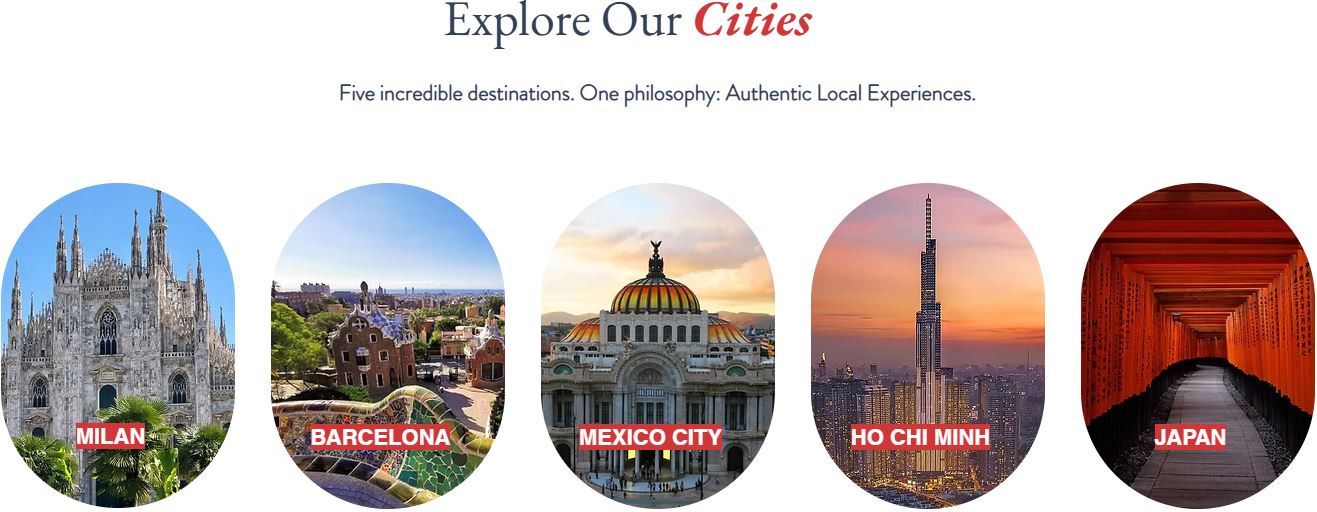
At Rban Tours, we bring together local creatives, cultural insiders, and passionate guides to build experiences that go far beyond the surface. From custom Barcelona experiences rooted in the city’s art and design scene to Japan personalized tours that take you into the quiet, extraordinary corners most visitors never find, every experience we offer is shaped by real local knowledge and genuine creative energy. Whether you are drawn to food adventures, art workshops, or walking and cultural tours that reveal the true rhythm of a neighborhood, we are here to help you live each city like an insider.
Frequently asked questions
What is a personalized travel experience?
A personalized travel experience is a trip curated to match your unique preferences, interests, and pace, often involving direct collaboration with local experts and creative hosts. The most impactful versions focus on co-creation and narrative, placing you inside the story of a destination rather than outside it.
How do I ensure my trip is truly tailored to me?
Work directly with reputable local providers, prioritize co-created itineraries, and avoid one-size-fits-all solutions from mass-market platforms. AI planning tools can help with initial research but should always be supplemented with genuine local expertise.
Are AI trip planners accurate for international travel?
AI trip planners can save time and generate useful starting points, but they risk inaccuracy and knowledge gaps, especially for nuanced cultural details. Always verify recommendations with established local providers before committing.
What travel experiences are most requested in luxury personalization?
Spa visits, gourmet dining, and human-driven amenities like personal butlers are top choices among luxury travelers, reflecting a consistent demand for human warmth and anticipation that technology alone cannot replicate.
Recommended
Comments