
Why Explore Non-Touristy Areas: Real Reasons to Go

Skip the selfie queues. The most vivid travel memories rarely happen at the world’s most photographed landmarks. They happen in a side-street kitchen in Oaxaca, at a neighborhood festival in rural Japan, or on a quiet coastal path that doesn’t appear in any guidebook. Why explore non-touristy areas? Because the places that haven’t been flattened into content still have a pulse. They still surprise you.
Here’s what you get when you step off the well-worn path:
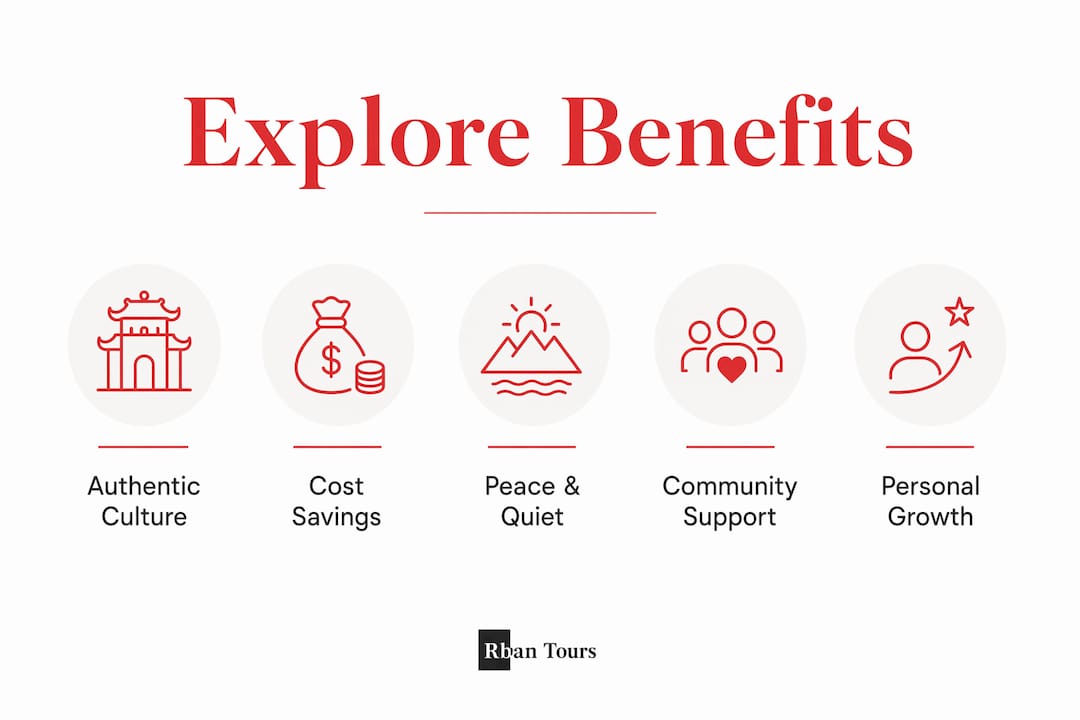
Authentic cultural exchange with locals who haven’t grown weary of tourists
Real quiet and space to actually absorb where you are
Lower costs on food, accommodation, and transport
Unique experiences that no one else in your social feed has posted
Personal growth from navigating the unfamiliar
A positive footprint by spreading economic benefit to communities that need it
Pro Tip: Before you book, ask yourself what kind of experience you want, not which destination looks best on a list. Let the experience lead you to the place.
Why visiting lesser-known places changes how you travel
The rewards of off the beaten path travel go deeper than novelty. They touch something more fundamental about why we leave home in the first place.
Genuine hospitality you can feel
Locals share traditional food and honest stories far more readily in places where mass tourism hasn’t yet arrived. In heavily visited destinations, hospitality often becomes transactional. In lesser-known places, it stays human. You’re a guest, not a revenue source, and that distinction changes every interaction.
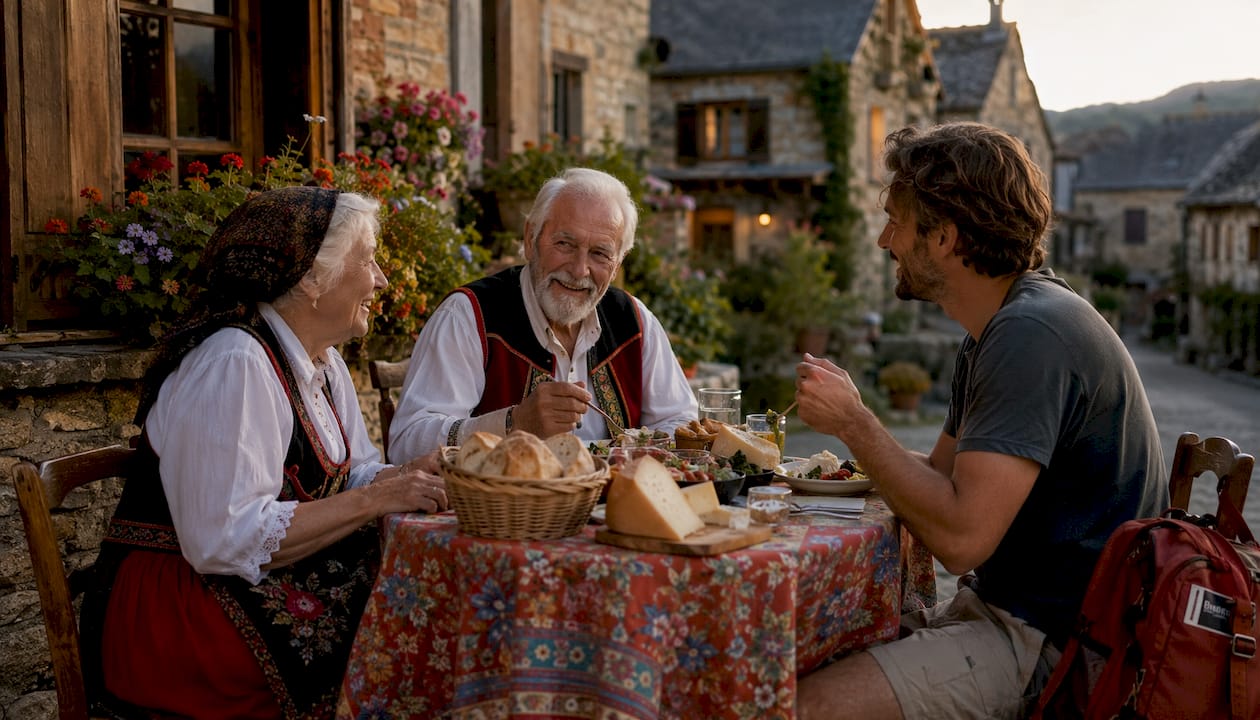
Peace that popular spots can’t offer
Offbeat destinations offer something increasingly rare: silence. No traffic jams at viewpoints, no waiting lines for photos, no ambient roar of a thousand other visitors. You hear the place itself. That sensory clarity is what makes memories stick.
Spending less while experiencing more
Cheaper accommodations and local homestays, fresh meals at family-run spots, transport that costs a fraction of what you’d pay in a tourist hub. The financial math of lesser-known destinations almost always favors the traveler. And the cultural math is even better: you gain immersion at the same time you save money.
Personal growth through real challenge
Off the beaten path travel builds adaptability and problem-solving in ways that a pre-packaged itinerary never can. Navigating an unfamiliar bus system, communicating across a language gap, making decisions without a safety net of TripAdvisor reviews: these moments build confidence. They also make for far better stories.
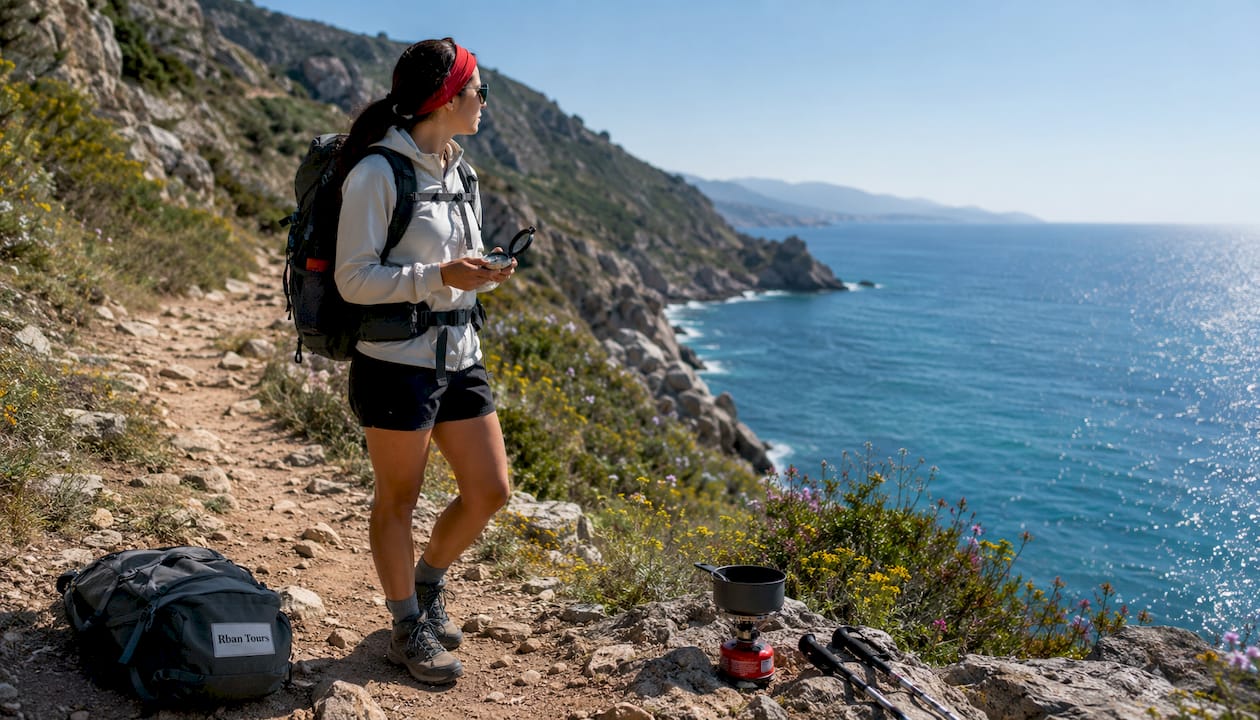
Memories that belong only to you
Hidden gems reward traveler time in a way that Instagram-flattened tourist spots simply cannot. When a place hasn’t been pre-digested into a highlight reel, you encounter it on its own terms. The discovery feels earned, and earned discoveries stay with you.
Supporting communities that need it most
Revenue in non-touristy areas tends to stay local rather than flowing to international hotel chains. When you spend at a family guesthouse or a neighborhood market, that money circulates within the community. Spreading tourism flow is one of the most effective tools for long-term sustainability, and every traveler who chooses an offbeat destination plays a direct role in that.
Popular destinations and their lesser-known alternatives
Every iconic destination casts a long shadow. What sits in that shadow is often just as rich, far less crowded, and considerably more affordable.
Popular Destination | Lesser-Known Alternative | Why It Works |
Paris, France | Lyon, France | Richer food culture, fewer crowds, same French depth |
Kyoto, Japan | Kanazawa, Japan | Preserved samurai districts, a fraction of the visitors |
Barcelona, Spain | Tarragona, Spain | Roman ruins, coastal beauty, authentic local rhythm |
Rome, Italy | Matera, Italy | Ancient cave dwellings, UNESCO heritage, unhurried pace |
Bali, Indonesia | Flores, Indonesia | Volcanic lakes, traditional villages, almost no tourist infrastructure |
Mexico City, Mexico | Oaxaca, Mexico | Indigenous culture, world-class cuisine, vibrant arts scene |
Santorini, Greece | Milos, Greece | Equally dramatic coastline, a fraction of the summer crowds |
The pattern is consistent. Major destinations attract attention because they’re already famous, not necessarily because they offer the best experience. Their lesser-known neighbors often have equally compelling history, food, and landscape, with the added benefit of genuine local interactions that crowded hotspots make nearly impossible.
A few things worth knowing about discovering uncrowded destinations:
Proximity matters. The best alternatives are often within two hours of the famous spot, reachable by train or local bus.
Shoulder season amplifies the effect. A lesser-known place in its quiet season offers a level of access and intimacy that even peak-season alternatives can’t match.
Domestic travelers are your best guide. The places that locals from the nearby city visit on weekends are almost always worth your time.
Local cuisine tells you everything. A destination with a distinct food culture, one that local cuisine hasn’t been adapted for tourist palates, is a strong signal that the culture itself remains intact.
How to explore non-touristy areas without getting it wrong
Venturing beyond the obvious requires a different kind of preparation. Not more rigid planning, but smarter groundwork.
Do your cultural homework first
Learn a handful of phrases in the local language. Understand basic customs around dress, photography, and greetings. In many lesser-visited communities, these small gestures carry real weight. They signal that you’re a curious guest, not a passive consumer passing through.
Build flexibility into your itinerary
Embracing unscripted moments is what separates memorable off the beaten path travel from a trip that just happened somewhere unfamiliar. Leave gaps in your schedule. Say yes to the local recommendation you didn’t plan for. The café suggested by a bookseller, the detour that adds an hour but reveals something extraordinary: these are the moments that define the trip.
Pro Tip: Download offline maps and translation apps before you leave cell coverage. Google Maps offline mode and apps like Google Translate’s camera feature work without data and can be genuinely useful in remote areas.
Choose locally owned places to stay and eat
Touring with local hosts and staying at family-run guesthouses keeps your spending inside the community. It also gives you a built-in connection to the place. A guesthouse owner who grew up in the village knows things no guidebook captures.
Prepare for infrastructure gaps
Some lesser-known destinations have limited public transport, patchy internet, or cash-only payment systems. None of these are dealbreakers, but they require preparation. Carry local currency. Download offline content before you arrive. Research transport options in advance so you’re not improvising from a position of stress.
Set honest expectations
Off the beaten path travel is not always comfortable. The trade-off is real: you give up some predictability and convenience in exchange for depth and authenticity. That exchange is almost always worth it, but going in with clear eyes makes the rough moments easier to absorb.
Research government travel advisories for your destination
Read recent traveler accounts on forums like Reddit’s r/solotravel
Identify the nearest medical facility and know how to reach it
Tell someone your itinerary, especially for remote areas
What travel experts and Rbantours know about authentic exploration
The case for venturing beyond the obvious isn’t just intuitive. It’s backed by people who have spent years thinking carefully about what travel actually does to us.
That novelty isn’t trivial. Travelers driven by curiosity, not status, consistently report the most meaningful connections in non-touristy locations. The goal of getting somewhere before everyone else is a losing game. The goal of understanding why a place matters to the people who know it well: that’s where the real reward lives.
At Rbantours, we’ve built our entire approach around this conviction. Every experience we design, whether it’s a walking cultural tour through a neighborhood most visitors skip, a street food exploration with a local guide, or a creative workshop with artists who actually live and work in the city, starts from the same question: what does this place feel like from the inside?
Here’s what we’ve learned from years of designing immersive local experiences:
Storytelling is the core. A place only reveals itself when someone who loves it explains why it matters.
Slower pace unlocks more. Travelers who resist the urge to check off every landmark almost always leave with richer memories.
Local creatives are the best guides. Artists, chefs, and craftspeople carry the living culture of a place in ways that professional tour scripts cannot replicate.
Unscripted moments are features, not bugs. The best experiences we’ve facilitated were ones where something unexpected happened and everyone leaned into it.
Responsible curiosity protects what makes a place worth visiting. We work with local partners precisely because we want the communities we visit to benefit from, not be burdened by, the travelers we bring.
Exploring cities like a local isn’t a travel style reserved for the adventurous or the experienced. It’s a choice available to anyone willing to look slightly to the left of the obvious. The rhythm of a place, its real heartbeat, lives in the neighborhoods that don’t make the highlight reels. That’s exactly where we take you.
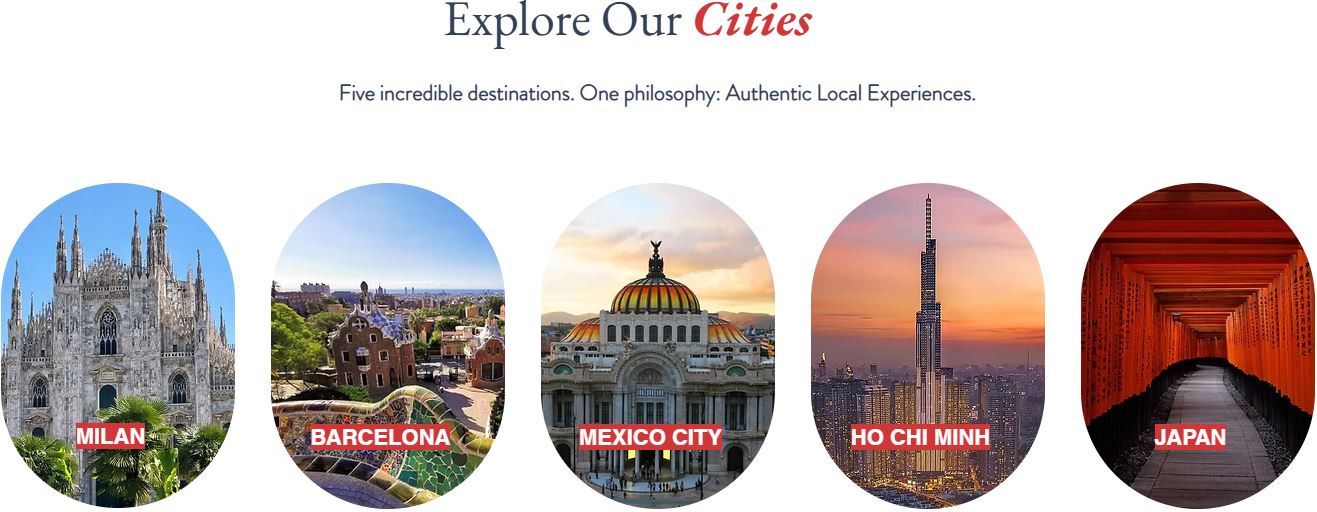
Rbantours designs experiences in Barcelona, Japan, Mexico City, Vietnam, and Italy, each one built around the belief that the most memorable travel happens when you engage with a destination on its own terms. If you’re ready to feel the pulse of a city rather than photograph its surface, we’d love to show you how.
[
Key Takeaways
Exploring non-touristy areas delivers authentic cultural connection, real cost savings, and a positive impact on local communities that mainstream tourism rarely achieves.
Point | Details |
Authentic local connection | Locals in lesser-visited places share food, stories, and traditions far more openly than in overtouristed spots. |
Cost advantage | Lesser-known destinations offer affordable homestays, local meals, and transport compared to tourist hubs. |
Personal growth | Navigating unfamiliar environments builds adaptability, confidence, and problem-solving skills. |
Sustainable impact | Spending locally keeps revenue inside the community rather than flowing to international chains. |
Flexibility is the key | Leaving room for unscripted moments consistently produces the most memorable travel experiences. |
Recommended
Comments