
Your step-by-step Ho Chi Minh City art tour guide

Ho Chi Minh City pulses with a creative energy that most visitors barely scratch the surface of. You might spend a weekend here and walk away having seen a war museum and a pagoda, thinking you’ve experienced the city. But somewhere between the French colonial architecture and the buzzing District 1 streets, there’s a living, breathing art world waiting for you. Museums that hold centuries of Vietnamese artistic tradition, contemporary galleries pushing boundaries, and immersive digital shows that blur the line between observer and participant. This guide gives you everything you need to plan a genuinely memorable, design-led art adventure through Saigon.
Table of Contents
Key Takeaways
Point | Details |
Essential art stops | The Fine Arts Museum and the Factory Contemporary Art Center are must-visits for art lovers. |
Tailor your itinerary | Mix traditional, contemporary, and immersive experiences for a well-rounded art tour. |
Prep ensures ease | Bring cash, check hours, and pack essentials to avoid hassles during your self-guided tour. |
Local guides add value | A guided tour delivers cultural context and personal stories that make art truly come alive. |
What you need for a seamless Ho Chi Minh art tour
Once you know what’s possible to experience, getting the basics right is key so your art tour starts stress-free. Walking into a gallery underprepared is one of the fastest ways to turn a meaningful experience into a frustrating one. Here’s what to bring and what to expect before you step through a single door.
What to pack for your art day:
Cash in Vietnamese dong for entry tickets and street food between stops
A fully charged phone or camera for photography (check each venue’s photo policy)
Comfortable, closed-toe shoes since you’ll be on your feet for hours
A small notebook or journaling app to capture impressions and favorite works
A light layer for air-conditioned indoor spaces, which can get cold
A reusable water bottle to stay hydrated between venues
Planning your time and budget is just as important as packing right. Below is a quick reference for the main art stops covered in this guide.
Venue | Entry fee | Recommended visit time | Open hours |
Ho Chi Minh City Museum of Fine Arts | 30,000 VND | 60 to 90 minutes | Tuesday to Sunday, 9 AM to 5 PM |
The Factory Contemporary Art Center | 80,000 VND (adults) | 90 to 120 minutes | Tuesday to Sunday, 10 AM to 8 PM |
Immersive digital show (varies) | 200,000+ VND | 60 to 90 minutes | Check individual schedules |
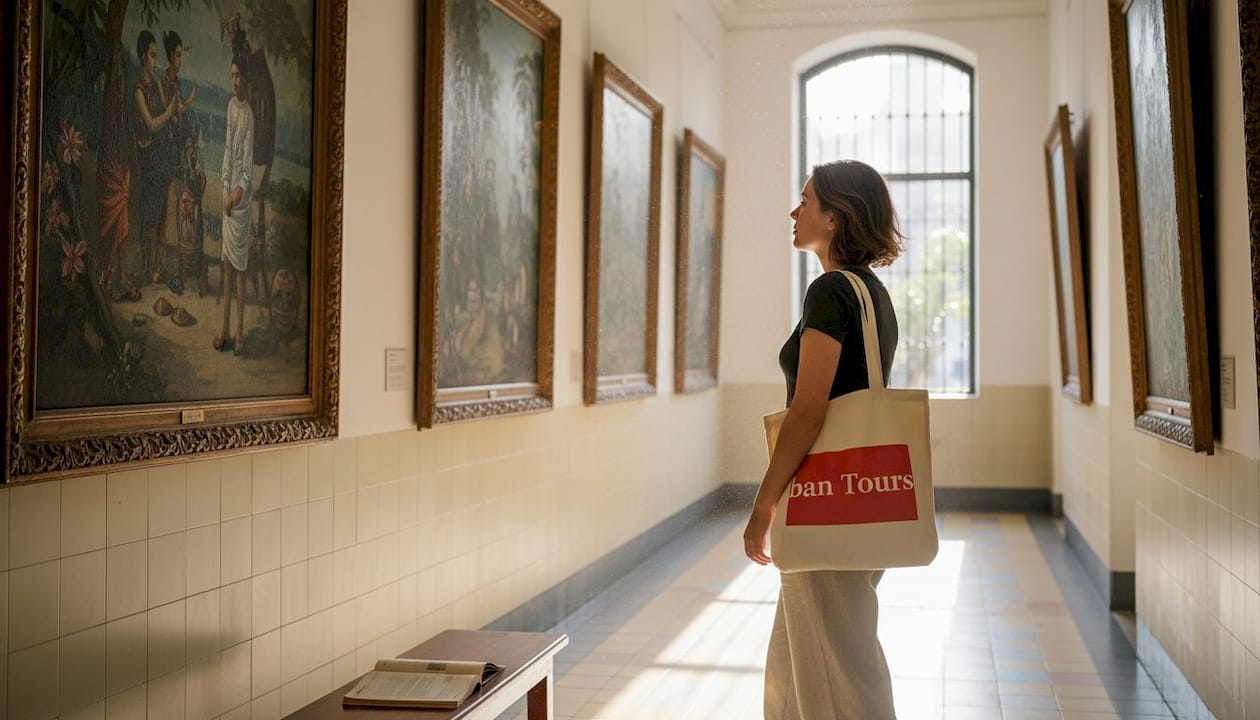
The Ho Chi Minh City Museum of Fine Arts is a landmark stop on any art tour, spread across three distinct blocks. Block 1 showcases modern Vietnamese art including works by celebrated painter Nguyen Gia Tri. Block 2 hosts rotating exhibitions, often featuring traditional lacquer art in stunning detail. Block 3 is dedicated to ancient art, including rare Cham sculptures that offer a window into pre-modern Southeast Asian culture. The recommended visit duration is around 60 minutes, though art lovers often linger longer.
For contemporary work, The Factory Contemporary Art Center is a standout. This 1,000-square-meter space regularly hosts boundary-pushing exhibitions like Technophobe II, artist talks, workshops, and Factory Nights, which are evening events that combine social energy with creative programming. At 80,000 VND for adults, it’s an exceptional value for the depth of experience you receive.
Pro Tip: In Vietnamese art spaces, speaking quietly, avoiding touching artworks, and asking before photographing staff or private collectors shows genuine respect. A little cultural awareness goes a long way toward building real connections during your tour.
Explore our Saigon art tours if you want a local guide to help you navigate these spaces with deeper context from the first step.
Step-by-step: Planning your Ho Chi Minh art route
With your essentials in hand, it’s time to create your personalized art adventure. Here’s how to plan each step for maximum inspiration, without burning out before you’ve seen half of what the city offers.
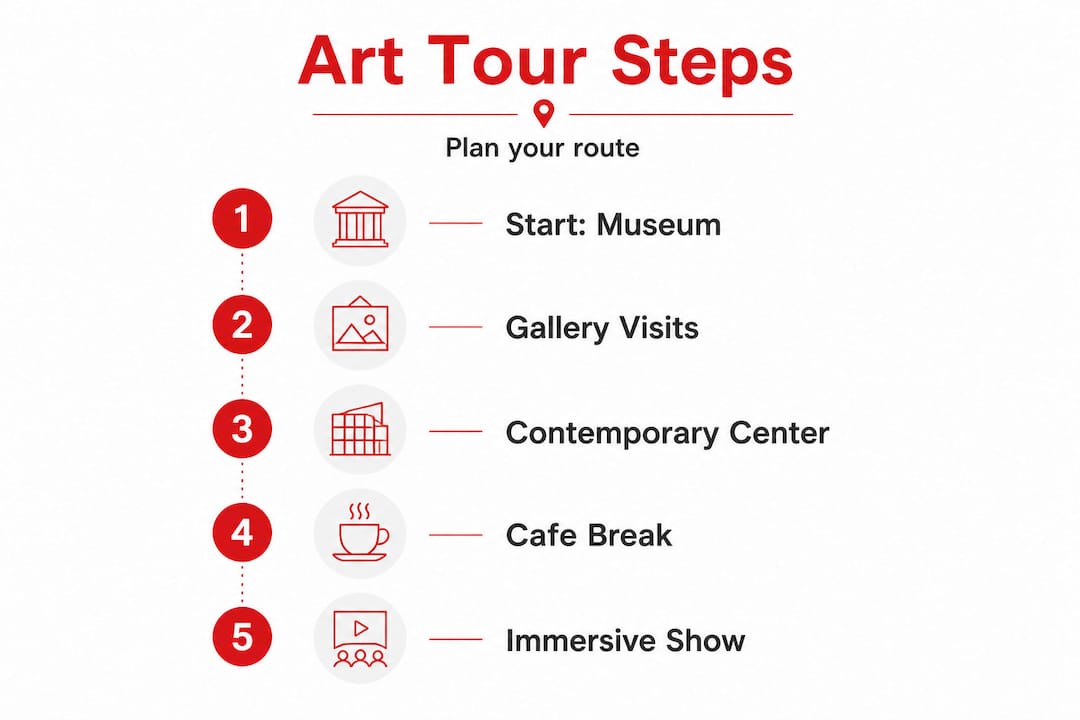
Suggested order of stops:
Start at the Ho Chi Minh City Museum of Fine Arts when it opens at 9 AM. Morning light filters beautifully through the colonial-era building, and crowds are thinner. Spend 60 to 90 minutes moving through all three blocks.
Walk or take a short ride to a local coffee shop in District 1 or District 3. This gives you time to reflect, recharge, and write down your impressions before the next stop.
Head to The Factory Contemporary Art Center mid-morning or early afternoon. Plan for 90 minutes to two hours, especially if there’s an active workshop or artist talk scheduled.
If your energy allows, end the day with an immersive digital show. These typically run from late afternoon into evening, making them a natural final stop.
Pacing genuinely matters here. Many travelers underestimate how much mental and emotional energy a full day of art viewing requires. Rushing through galleries means missing the work and missing the mood. Give yourself permission to slow down.
Fine Arts Museum visits commonly run 1.5 to 2 hours for those who engage thoughtfully with the collection. The Factory also hosts monthly programmed events that shift the atmosphere considerably, turning a typical gallery visit into a lively community experience. And on the immersive side, shows like Metashow have earned strong praise for creating accessible, emotionally engaging environments.
Pro Tip: Start as early as possible and consider a local-led tour through Vietnam travel and art platforms. Local guides know which galleries are hosting special events on any given day and can offer context that no placard ever could.
“Immersive digital art shows can feel touristy on the surface, but they are often the most accessible entry point for visitors who are new to art. There’s no wrong way to begin engaging with creativity.”
The logistics between stops are worth thinking through carefully. The Fine Arts Museum and The Factory are both centrally located in Ho Chi Minh City, and a rideshare or even a leisurely walk can connect them. Build in at least 20 to 30 minutes between venues so you’re not arriving frazzled.
Choosing styles: Traditional, contemporary, or immersive?
As you plot your course, knowing the character of each stop makes it easier to personalize your route. Not every traveler wants the same experience, and Ho Chi Minh City is generous enough to offer real variety.
Experience type | What to expect | Best for |
Traditional museums | Historical Vietnamese art, lacquerwork, sculpture, established masters | History lovers, first-time visitors |
Contemporary galleries | Experimental works, international dialogues, workshops, community events | Design-minded travelers, repeat visitors |
Immersive digital shows | Western artists like Van Gogh rendered digitally, sensory environments | Families, first-time art tourists, group experiences |
Each style has real strengths and genuine trade-offs. Here’s an honest breakdown:
Traditional museums:
Pros: Deep historical context, authentic Vietnamese artistic heritage, affordable entry
Cons: Can feel static without a guide, some signage is limited in English
Contemporary galleries like The Factory:
Pros: Dynamic programming, international perspective, community atmosphere
Cons: Rotating shows mean you can’t always predict what’s on, not purely local in focus
Immersive digital shows:
Pros: Visually spectacular, emotionally accessible, great for groups
Cons: Often feature Western artists rather than Vietnamese ones, can feel commercially oriented
The Fine Arts Museum’s collection grounds you in Vietnamese artistic tradition and offers context that sharpens everything you see afterward. The Factory then challenges and expands that foundation with experimental, internationally influenced work. An immersive show at the end provides a sensory release and a memorable conclusion to the day.
Our recommendation is to combine all three if your schedule allows. Each style feeds the others in a way that makes the overall experience richer. And wherever possible, prioritizing local-led tours adds an authenticity layer that transforms what could be a checklist into a genuine conversation with the city.
Browse our Saigon-focused tours to find curated options that weave all three experience types together seamlessly.
Common mistakes and how to make the most of your tour
No tour is perfect, but knowing what to avoid helps ensure your art journey is memorable for the right reasons. These are the missteps we see most often, and how to sidestep them.
Common mistakes to avoid:
Not checking opening days in advance: Several galleries in Ho Chi Minh City are closed on Mondays. Arriving to a locked door is a real waste of a travel day.
Underbudgeting time: Trying to see everything in a single morning leads to rushed, shallow experiences. Quality beats quantity every time.
Skipping local-led options: Self-guided visits are fine, but planning art tours in Vietnam with a local guide reveals layers that even the most observant solo traveler will miss.
Ignoring photo etiquette: Some sections of the Fine Arts Museum restrict flash photography, and certain rotating exhibitions prohibit photography entirely. Always look for signage before shooting.
Missing cultural context: Understanding the significance of lacquer painting or the historical weight of a Cham sculpture makes the artwork land completely differently. A little pre-reading goes a long way.
Not accounting for the weather: Ho Chi Minh City’s wet season runs from May through November. Build indoor flexibility into your plan so a sudden downpour doesn’t derail the afternoon.
When it comes to The Factory, monthly programmed events shift the experience entirely. A Factory Night feels completely different from a quiet Tuesday afternoon gallery visit. Checking their social media or event page before you go is one of the simplest things you can do to dramatically improve your experience.
Pro Tip: Sign up for the Factory Contemporary Art Center’s mailing list or follow them on social media at least one week before your visit. Their programming calendar fills up fast, especially for special talks and evening events.
For immersive shows, booking tickets online in advance is smart. Popular time slots, especially on weekends, can sell out. Arriving without a reservation means waiting or missing the show entirely.
Our perspective: Why an art tour in Ho Chi Minh City is more than just sightseeing
Armed with all the logistics, it’s worth considering what makes a tour of Ho Chi Minh’s art world truly unforgettable. And honestly, it’s not the itinerary.
We’ve watched travelers move through the Fine Arts Museum with their heads down, eyes locked on their phones, snapping photos of every painting without pausing to actually look. They leave having “done” the museum but feeling nothing. That’s the trap of treating art tourism like a checklist.
The city’s art and culture across Vietnam is alive in a way that rewards presence and curiosity. Saigon’s art scene is not a finished product sitting behind glass. It’s actively evolving, with local artists responding to politics, identity, globalization, and memory in real time. When you stop to ask a gallery attendant what they find meaningful in a particular piece, or join a workshop at The Factory and make something with your hands alongside local creatives, you stop being a tourist and start being a participant.
We believe the most valuable souvenir you can take home from a Ho Chi Minh City art tour isn’t a photograph or a print. It’s a shift in how you see. Immersion beats itinerary. The connection you build with a place, its people, and its creative pulse is the thing that stays with you long after you’ve forgotten what day your flight home was.
Challenge yourself to engage rather than observe. Ask questions. Sit with a painting for five minutes without reaching for your camera. Let the city’s rhythm move through you rather than trying to capture it.
Ready to explore? Curated art and culture tours await
If this guide has sparked something in you, we’d love to help you go further.
[
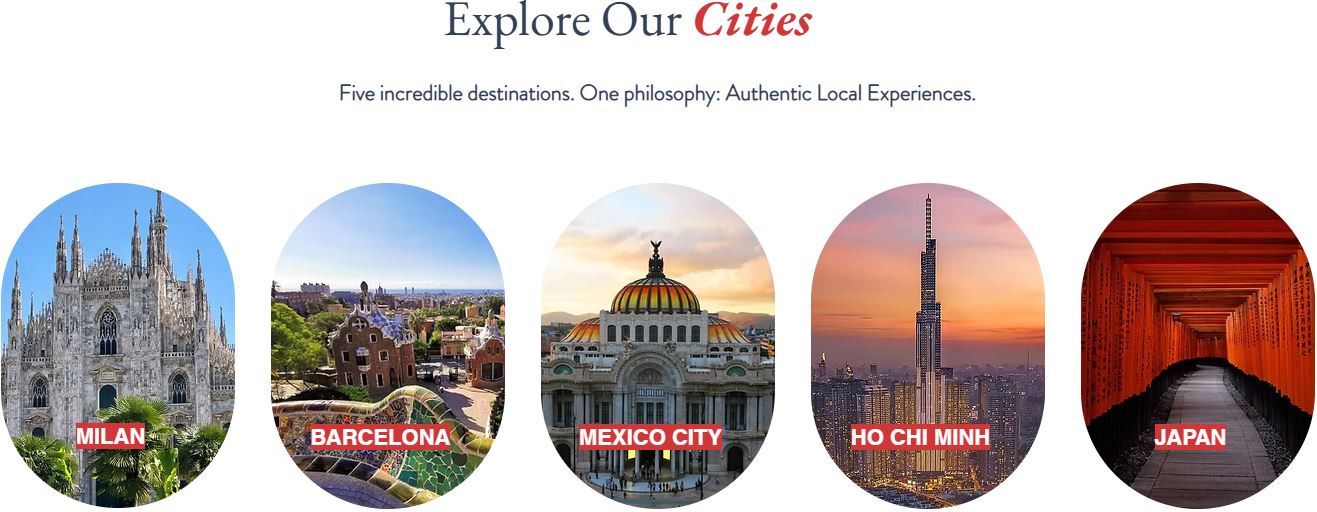
At Rban Tours, we design guided Saigon art tours that take everything covered in this guide and bring it to life with local knowledge, creative atmosphere, and genuine connection. Our walking and cultural tours are built for travelers who want more than surface-level sightseeing. They are crafted to help you feel the creative heartbeat of the city from the inside. Whether you’re visiting for the first time or returning with fresh eyes, our local guides and curated routes make every stop an discovery worth remembering. Discover more art tours and find the experience that speaks to your curiosity.
Frequently asked questions
How long should I spend at the Ho Chi Minh City Museum of Fine Arts?
Plan for 1.5 to 2 hours to fully appreciate all three main blocks and enjoy both permanent and rotating exhibitions without rushing.
Is it better to join a local guide or explore art routes independently?
Local guides offer deeper cultural insights and historical context that transform the experience from interesting to genuinely immersive and memorable.
Are immersive digital art shows in Ho Chi Minh City worth attending?
Yes, especially as an accessible entry point into the city’s art world. Shows like Metashow have earned strong visitor praise, though they lean toward international rather than local artists.
What are the admission fees for top art stops?
The Fine Arts Museum charges 30,000 VND per person, while The Factory charges 80,000 VND for adult admission. Both offer exceptional value for the quality and depth of experience provided.
Recommended
Comments