
6 Small Group Activities in Ho Chi Minh City for Italian Travelers

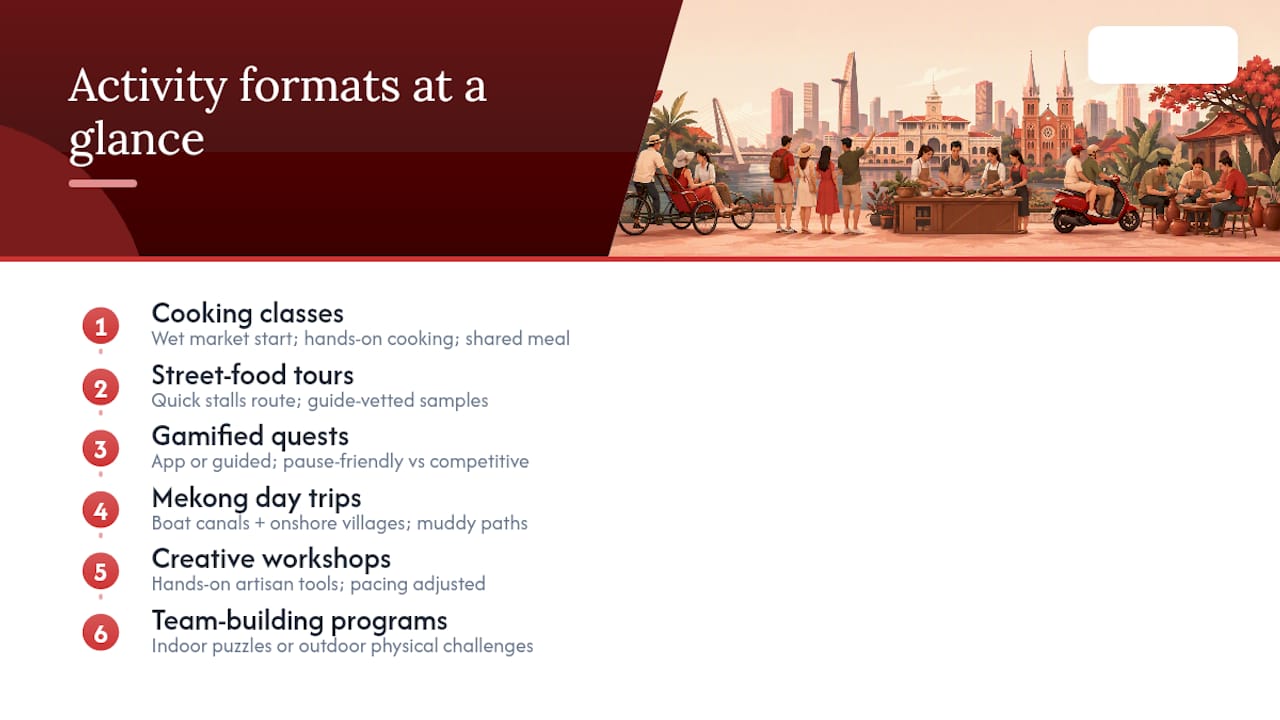
Ho Chi Minh City rewards travelers who move through it together. The best group activities here fall into six categories: hands-on cooking classes, street-food walking tours, gamified city quests, Mekong River day trips, creative workshops, and structured team-building programs. Cooking classes and food tours suit friends and families craving flavor and story, gamified quests fit playful groups short on time, river trips reward those who can spare a full day, and team-building formats serve corporate groups chasing real bonding. The shortlist below gets you booking fast.
TL;DR:
Small group activities like cooking classes and creative workshops provide more personalized experiences and direct interaction with local hosts.
Mekong Delta day trips take a full day and are best scheduled in the morning to avoid midday heat, with eco-friendly operators prioritizing smaller boats.
Outdoor activities such as street-food tours and river trips are most enjoyable in the morning or early evening to beat the intense heat and crowds.
Booking private experiences with local hosts often includes transportation, meals, and language support, making them more flexible and tailored for small groups.
Choosing activities suited to your group’s preferences ensures better bonding and avoids losing time on less fitting options like long Mekong day trips.
Table of Contents
Top Group Activities to Book in Ho Chi Minh City
Every one of these options works well for small groups, and most can be arranged as private experiences with a local host rather than folded into a bus-load of strangers.
Vietnamese cooking class with market visit — You shop for ingredients at a local market, then cook a full meal under a chef’s guidance. Runs several hours, ideal for families and friend groups who want a tactile souvenir: a printed recipe card and a stomach full of pho.
District 1 and District 3 street-food walking tour — A guide leads you between five or six stalls for banh mi, broken rice, and Vietnamese coffee. Takes a few hours on foot, best for groups who want variety over volume.
Gamified city quest via app — Your group splits into teams and solves clues across landmarks using a smartphone, no live guide required. QuestoApp’s Ho Chi Minh quests typically run about an hour to two hours, and they’re a smart pick for friend groups or younger travelers who like a bit of competition.
Mekong Delta day trip by boat — A van picks you up early, then a boat carries your group along narrow canals to riverside villages for fruit tastings and coconut candy demonstrations. Expect a full day including transport, better suited to groups with a spare day than a tight itinerary.
Creative workshop (jewelry or craft-making) — Small groups sit together making something by hand, from silver jewelry to lacquerware, with a piece to take home. These sessions typically run a couple of hours and work well for mixed-skill groups, including grandparents and kids at the same table.
Corporate team-building program — Providers based in Ho Chi Minh design indoor problem-solving sessions or outdoor adventure formats, including multi-day retreats with trekking components, according to PDC Agency’s team-building overview. These suit companies sending staff on an offsite rather than casual travelers.
Private and small-group formats dominate this list on purpose. Withlocals’ Ho Chi Minh listings show local hosts running everything from cooking classes to jewelry-making in groups small enough that you actually talk to your host, not just follow a flag.
What Actually Happens During Each Activity Type
Knowing the activity category only gets you halfway. What you do, hour by hour, changes everything about whether it fits your group.
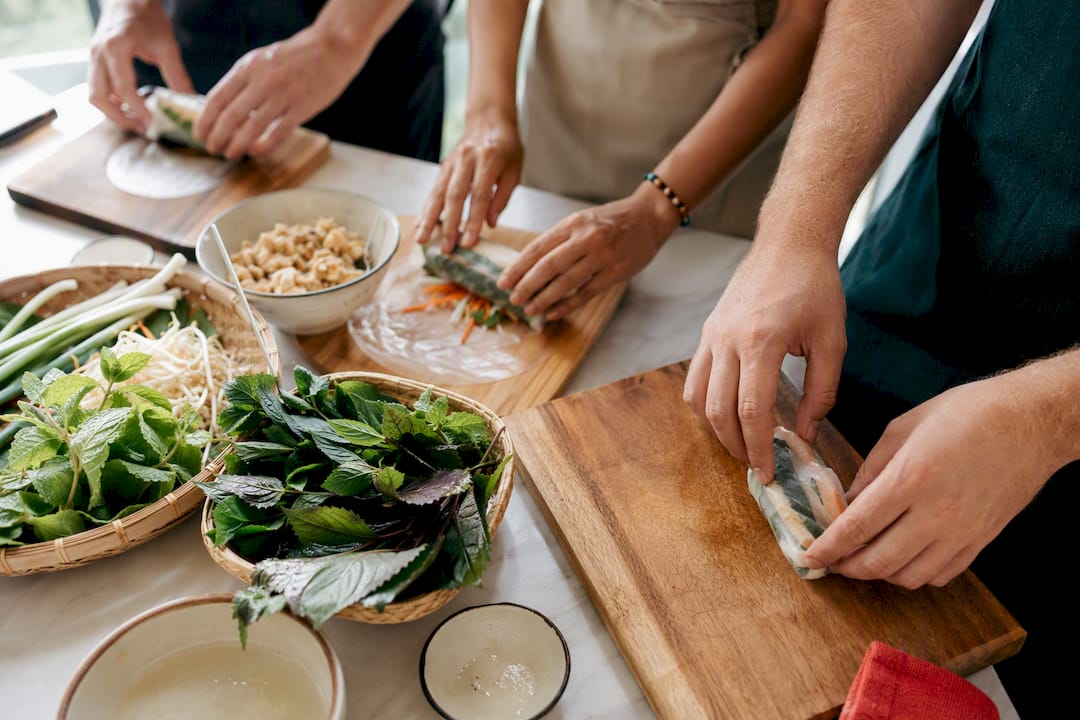
Cooking classes start at a wet market, where your host explains unfamiliar herbs and cuts of meat before you carry your basket to a kitchen. You chop, grill, and roll spring rolls alongside a chef, then eat what you made as a shared meal. Most operators, as Explorevia’s Ho Chi Minh cooking course shows, handle dietary requests if you flag them at booking, and English-speaking instructors are standard, though a translated recipe sheet helps non-English speakers follow along.
Street-food tours move fast between stops in District 1 and District 3, sampling from stalls the guide already vets for hygiene and freshness. Stick to busy stalls with high turnover, drink bottled water, and tell your guide about allergies before the first bite, not after.
Gamified quests run two ways: app-based with no human guide, or guided with a leader nudging teams toward clues. App versions give you flexibility to pause for a coffee break; guided versions push a faster pace and stronger competitive energy between teams.
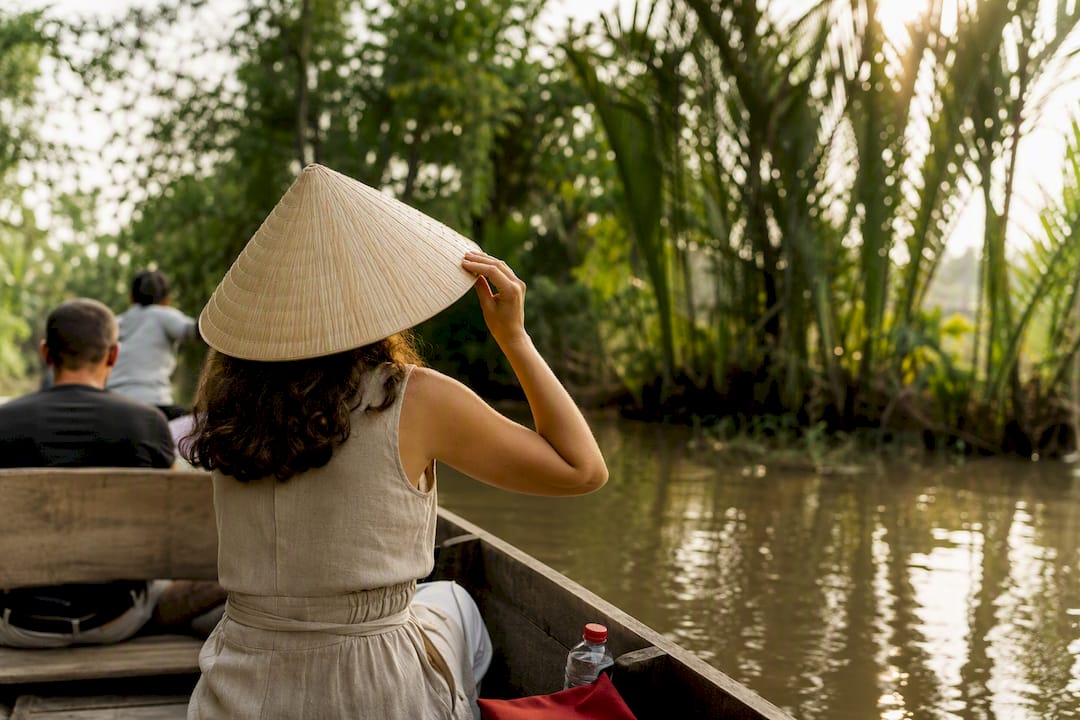
Mekong day trips split roughly evenly between boat time on narrow canals and onshore stops at villages, orchards, or candy workshops. Bring sun protection, a hat, and closed shoes since some paths are muddy near the water.
Creative workshops hand you real tools, from jewelry pliers to lacquer brushes, under an artisan’s direction, and skill level rarely matters since the host adjusts pacing per person.
Team-building programs split into indoor formats built around problem-solving games and outdoor formats built around physical challenges or short treks, with multi-day versions layering both for deeper group learning, per PDC Agency.
Pro Tip: Book cooking classes and workshops for your first day in the city. Jet lag hits harder on a walking food tour than it does standing at a kitchen counter with a knife.
How Long Do These Activities Take and What Do They Cost?
Format length drives everything else, from price to how much of your day it eats.
Half-day (2.5 to 4 hours): street-food tours, cooking classes, creative workshops. These fit around a morning at your hotel or an afternoon flight.
Full-day (6 to 8 hours): Mekong Delta trips, most team-building programs. Budget the entire day and skip other plans.
Multi-day: corporate retreats with trekking components, which PDC Agency frames as better suited to deeper team outcomes than a single afternoon session.
Price per person shifts based on group size, whether transport is bundled in, and whether you book private versus shared. A Ho Chi Minh food-walking tour on Airbnb bundles taxi transfers and meals into the price, but requires a minimum of two guests to run at all since the taxi cost gets split.
Before you pay, confirm what’s actually included:
Hotel pickup and drop-off, or a fixed meeting point
A guide fluent in English (rarely Italian, so plan accordingly)
Meals, ingredients, or entry fees folded into the price
Travel insurance coverage, which many operators leave to you
Bundling transport into the price often works out cheaper than arranging a taxi separately, so always ask before comparing two listings side by side.
Questions to Ask Before You Book a Group Experience
Match the activity to your group’s actual goal first. Bonding calls for a cooking class or workshop where everyone works with their hands together; culture calls for a street-food tour; light adventure calls for a Mekong trip; corporate cohesion calls for a structured team-building format.
Then run through these questions with the host before paying anything:
What’s the minimum and maximum group size, and does the price change if we’re fewer?
What’s the cancellation and refund policy if weather or flights change plans?
Is the guide fluent in English, and can materials be provided in another language on request?
Is transport included, and what’s the exact pickup point and time?
Does the price cover meals, ingredients, or entry fees, and can dietary restrictions be accommodated?
Is any form of travel or activity insurance included, or is that on us?
Skip any listing that won’t answer these clearly before you pay, especially around refunds and group minimums.
Pro Tip: Confirm payment methods before you land. Some smaller local operators in Ho Chi Minh only take cash on the day, which catches Italian travelers off guard if they’re relying on cards for everything else.
How Rban Tours designs group experiences in Ho Chi Minh
Rban Tours builds its Ho Chi Minh experiences around the same principle that runs through every destination it operates in: small groups, local hosts, and a story behind every stop. Street-food explorations, hands-on creative workshops, and curated small-group tours make up the core formats, each designed with dietary flexibility and language support in mind for travelers coming from Italy.
What Rban Tours prioritizes | Why it matters for your group |
Small group sizes | More time with your host, less standing in line |
Local hosts | Stories and context you won’t get from a script |
Design-led formats | Activities built for atmosphere, not just checkboxes |
Dietary and language flexibility | Fewer surprises for Italian travelers abroad |
Curated formats span cooking, street food, and creative sessions
Local hosts lead every experience directly
Flexible enough for families, friend groups, or small corporate teams
If you’re ready to see what’s currently running, Rban Tours’ Vietnam page lists the active Ho Chi Minh lineup.
When to Visit: Seasonal and Weather Considerations
Ho Chi Minh City runs on two seasons, not four, and that shapes which activities work best when. The dry season, roughly November through April, brings consistent sun and lower humidity, making it the strongest window for Mekong Delta trips and any outdoor walking activity where you’re on your feet for hours.
The wet season, from May through October, brings short, heavy afternoon downpours rather than all-day rain. Mornings usually stay clear, so scheduling cooking classes, workshops, or river trips before noon sidesteps most of the disruption. Street-food tours adapt well to wet season too, since stalls sit under awnings and a sudden shower just means ducking under cover with your group for ten minutes.
Humidity stays high year-round, so any activity involving walking outdoors, including Mekong onshore stops, benefits from light clothing and frequent water breaks regardless of season. Indoor formats like cooking classes and creative workshops sidestep weather risk entirely, which makes them a safer anchor booking if your trip falls during peak wet season and you don’t want an outdoor activity as your only plan for the day.
Cultural Etiquette to Keep in Mind During Group Activities
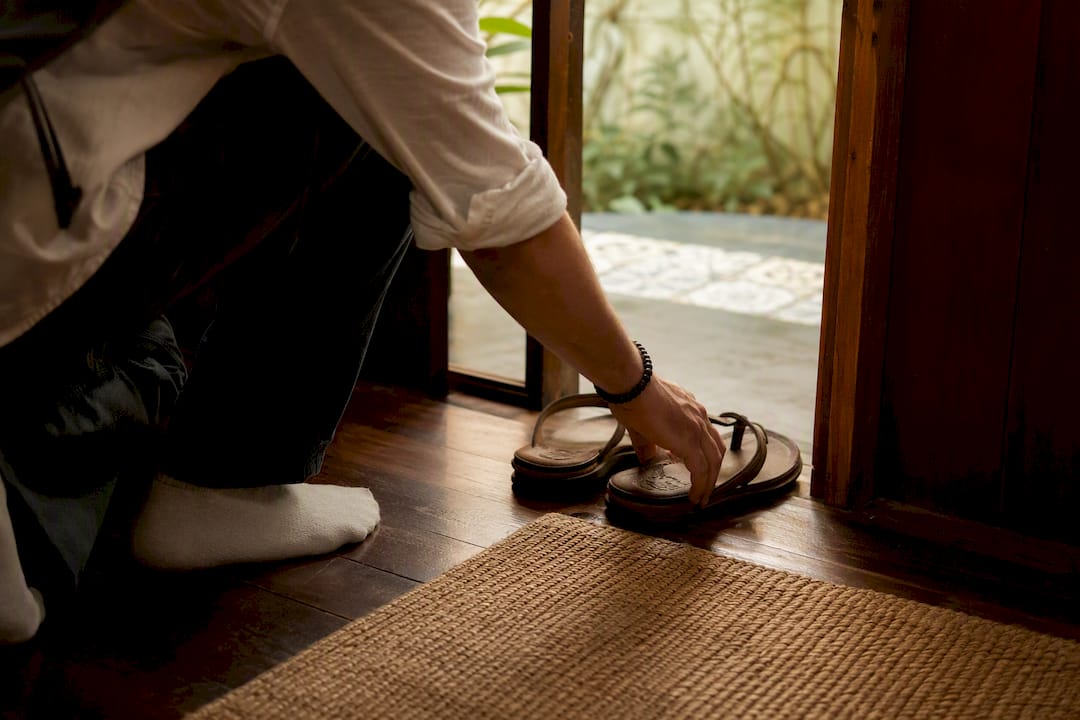
Vietnamese hosts appreciate small gestures more than most Italian travelers expect. Removing shoes before entering a home, a temple, or even some workshop studios is standard, and your host will usually signal this without needing to ask.
At a shared meal during a cooking class, wait for the eldest or most senior person present to start eating first if that dynamic comes up, and never point chopsticks at another person or stick them upright in a rice bowl, which carries funeral associations. Tipping isn’t mandatory but is increasingly appreciated for guides and hosts on private tours, since it isn’t automatically built into the price the way it might be back home.
On street-food tours, bargaining lightly at market stalls is normal and even expected in some spots, but keep it good-natured rather than aggressive. Loud group behavior in temples or quieter residential alleys reads as disrespectful, so dial down volume when your quest or walking tour passes through a religious site. A simple “xin chao” (hello) or “cam on” (thank you) goes a long way with hosts who deal with international groups all day.
Best Times of Day to Beat the Heat and the Crowds
Ho Chi Minh City gets genuinely uncomfortable by midday, with heat and humidity peaking between noon and 3 PM. Morning departures, ideally by 7 or 8 AM, give you the coolest hours for anything outdoors: Mekong boat trips, walking quests, and street-food tours all run smoother before the sun climbs.
Markets tied to cooking classes are also at their liveliest and least crowded early, since vendors restock and locals shop before the heat sets in. Booking a morning market visit means fresher produce and a more authentic scene than an afternoon slot when the same market feels picked over.
Evening works well for a different reason: street-food tours after 5 PM catch the city’s night market energy, when stalls light up and locals themselves come out to eat. Indoor formats like creative workshops and team-building sessions have more flexibility since they aren’t weather-dependent, so save those for the hottest midday stretch when outdoor plans would be miserable anyway.
Sustainable and Low-Impact Group Tourism Options
Choosing small-group formats over large bus tours already reduces your footprint, since fewer vehicles and smaller crowds mean less strain on markets, waterways, and village infrastructure. Cooking classes and creative workshops that source ingredients or materials locally put money directly into small businesses rather than large intermediaries.
Mekong Delta trips deserve a closer look here: villages along the river depend on tourism income, but overcrowded boat traffic damages canal ecosystems over time. Choosing operators who run smaller boats with limited group sizes, rather than large tour boats packed with dozens of visitors, spreads that impact more responsibly.
Bringing a reusable water bottle instead of buying bottled water at every stop cuts down plastic waste that Ho Chi Minh’s waste systems already struggle to manage. Group activities led by local hosts, rather than large international tour operators, also tend to keep more of your spending inside the local economy, supporting the same markets and artisans your group visits.
Where to Book and Verify Group Experiences
Tripadvisor’s Ho Chi Minh listings for reviews and outdoor/private tour options
Withlocals for local-host, small-group experiences
QuestoApp for self-guided gamified city quests
Why Small-Group Formats Beat the Standard Tour Bus
The conventional advice on Ho Chi Minh tourism still leans on big bus tours and fixed-itinerary day trips, and that advice is outdated. A city this dense, this loud, and this driven by street-level detail rewards groups small enough to actually stop when something interesting happens, not groups locked into a 40-person schedule.
What gets overrated in most guides is the Mekong day trip as a default must-do. It’s worthwhile, but it eats a full day that a cooking class or workshop delivers in a third of the time with more direct human connection. What gets underrated is the creative workshop format: people assume it’s a filler activity, but a two-hour jewelry session with a skilled artisan often becomes the most talked-about part of a trip.
Prioritize matching the activity to your group’s actual appetite, not the itinerary’s convenience. A family with young kids gains more from a hands-on cooking class than a fast-paced street-food crawl. A group of friends with limited days should skip the Mekong trip entirely and double down on food and workshops instead.
— Rban
Book Small-Group Experiences With Rban Tours in Vietnam
Rban Tours is the alternative to the generic bus-tour circuit for group activities in Ho Chi Minh: smaller groups, local hosts, and formats built around genuine cultural exchange rather than a checklist of stops. Where standard operators pack you onto a shared coach with strangers, Rban Tours designs street-food explorations, hands-on creative workshops, and small-group tours meant to feel personal from the first stop, with dietary and language needs handled directly by your host rather than left to guesswork.
[
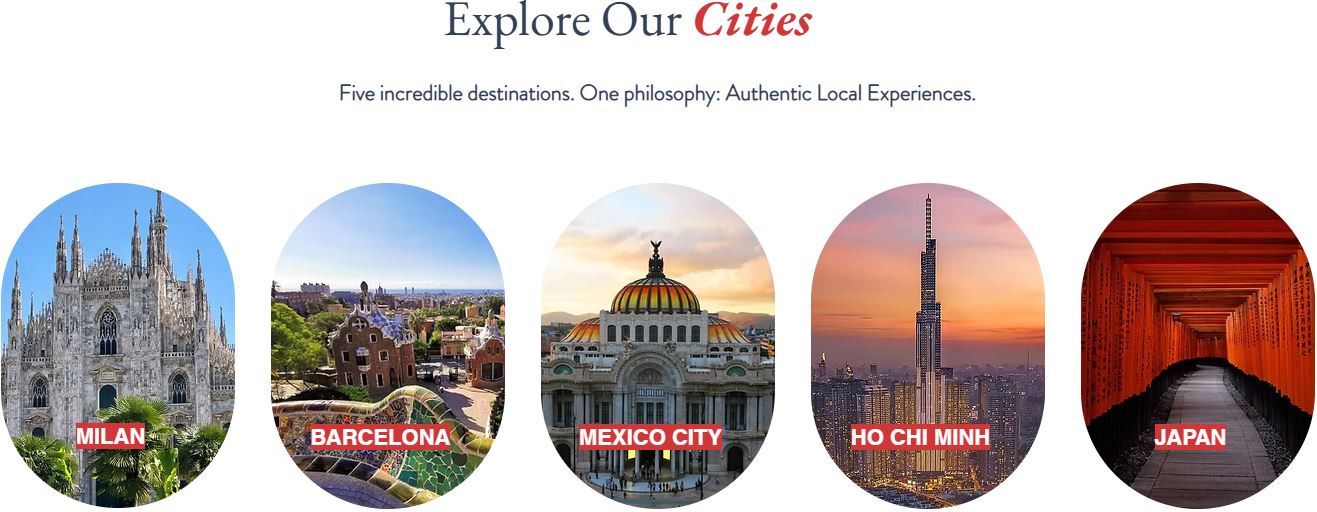
That approach matters most for Italian travelers who want more than a photo stop, groups who’d rather cook a meal with a chef than watch one from across a room. If Vietnam isn’t your only stop, Rban Tours runs the same design-led model on its Barcelona experiences page, so the same small-group philosophy carries across your itinerary. Check current dates and availability for Ho Chi Minh experiences and lock in your group’s spot before the season’s best morning slots fill up.
Sources
Recommended
Comments