
How to Plan a Design-Led City Tour That Inspires

A design-led city tour is defined as a curated travel experience that uses architecture, urban planning, and local creative culture as its primary lens for exploring a destination. Unlike standard sightseeing, this approach treats the city itself as a living design object, where every street corner, café, and repurposed building tells a story. Knowing how to plan a design-led city tour means balancing iconic institutions like the Designmuseum Danmark with spontaneous neighborhood discoveries that reveal a city’s true creative pulse. Rbantours has built its entire philosophy around exactly this kind of immersive, design-focused travel, and this guide shares the framework we use across destinations from Barcelona to Mexico City.
How to plan a design-led city tour: the essential prerequisites
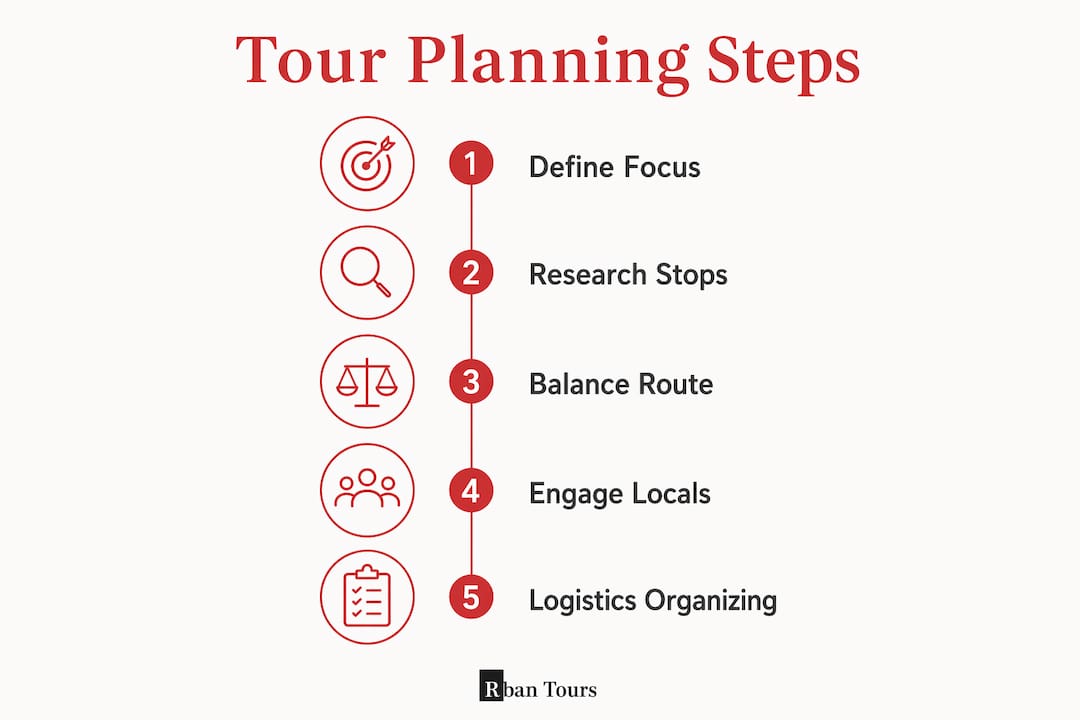
Before you map a single stop, you need to define what “design” means to you on this trip. Design is a broad field. Your interests might center on mid-century furniture, sustainable urban planning, street art, or traditional craft. Narrowing your focus shapes every decision that follows, from which neighborhoods you prioritize to which museums earn a full morning of your time.
Once your interests are clear, research becomes targeted rather than overwhelming. Start with these foundational resources:
City design maps and cultural guides. Most design-forward cities publish free walking maps through their tourism boards or architecture centers. The Danish Architecture Center, for example, produces guides specifically for visitors interested in Copenhagen’s built environment.
City-specific apps. App-guided self-walking tours, like StoryHunt in Copenhagen, enrich the visitor experience by surfacing local design history that no printed guidebook covers. This kind of tool turns a walk through an ordinary block into a layered narrative.
Expert blogs and local creative communities. Designers, architects, and cultural journalists who live in your destination city write with a specificity that travel aggregators cannot match. Seek out their recommendations for galleries, studios, and concept stores.
Social media location tags. Search by neighborhood rather than city to find the spots that locals actually visit, not just the ones that appear in top-ten lists.
Budget your time generously. A design-focused city itinerary requires more time per stop than a standard sightseeing tour. You will want to sit with a space, read its details, and let it speak to you.
Pro Tip: Consider booking a social sailing tour to view the city’s waterfront architecture from the water. In Copenhagen, tours like “Hey Captain” combine intimate boat rides with interactive discussions about the city’s architecture, offering a perspective that no walking route can replicate.
How do you build a route that balances landmarks with hidden gems?
The best design tours move between two registers: the institutional and the street-level. Iconic museums anchor your itinerary and provide historical and conceptual context. Hidden shops, studios, and neighborhood cafés give you the city’s living creative energy. A route that only visits museums feels academic. A route that skips them entirely misses the depth that makes design travel meaningful.

A well-balanced design itinerary includes architectural marvels, design museums, local boutiques, cafés, and urban revitalization zones to reflect a city’s full creative spectrum. Cities like Bucharest, Helsinki, and Copenhagen all demonstrate this diversity. The lesson applies everywhere: the mix is the method.
When sequencing your stops, think about thematic flow rather than pure geography. Group stops that share a design era or philosophy so the day builds a coherent story. Then break that story intentionally with a neighborhood wander or an unplanned detour.
Venue type | Scale | Interactivity | Typical admission | Best for |
Design museum | Large | Guided or self-guided | Paid | Historical context, iconic objects |
Architecture center | Medium | Exhibitions, talks | Free or low cost | Urban planning, current projects |
Concept store or gallery | Small | High, staff engagement | Free | Local designers, emerging work |
Repurposed industrial zone | Varies | Outdoor, self-directed | Free | Urban transformation, photography |
Neighborhood café or studio | Intimate | Conversational | Cost of purchase | Everyday design culture |
Copenhagen’s Nordhavn district is a textbook example of how repurposed infrastructure becomes a design destination. The former industrial port now showcases bold Scandinavian urban planning and forward-thinking architecture. Walking its waterfront costs nothing and delivers some of the most instructive design lessons you will find anywhere in Europe.
Pacing matters as much as selection. Alternate walking segments with short bike rides or water taxis. This keeps energy high and gives you fresh vantage points throughout the day. A personalized tour approach lets you adjust the pace in real time rather than forcing yourself through a rigid schedule.
What are the best ways to engage with local design culture authentically?
Authentic engagement means participating, not just observing. The difference between a tourist and a traveler on a design tour is whether they interact with the creative community they are visiting.
Neighborhood cultural hubs that combine galleries, studios, retail, and social spaces create the deepest immersive design experiences. Bucharest’s Palatul Universul and Helsinki’s Cable Factory are both examples of multi-use centers where a single afternoon can move you through art, craft, food, and conversation. Look for this format in every city you visit.
Practical methods for genuine local engagement include:
Attend pop-up exhibitions and open studio events. These are often free, always intimate, and give you direct access to the designers behind the work.
Book workshops rather than just tours. A ceramics class or a printmaking session teaches you more about a city’s craft tradition than any museum label.
Eat where designers eat. Food is design. Scandinavian minimalist cafés, farm-to-table restaurants in Mexico City, and street food markets in Vietnam all reflect the aesthetic values of their local creative communities. The role of food in city tours is often underestimated but consistently memorable.
Support local designers directly. Buy from independent shops rather than chain stores. Ask the person behind the counter about the maker.
Use guided tours with knowledgeable locals. A good guide does not just point at buildings. They tell you why a neighborhood changed, who the key figures were, and what the city is becoming.
Pro Tip: Search for neighborhood cultural hubs that blend retail, studio, and social space before you arrive. These multi-use venues are rarely on the first page of search results, but they consistently deliver the most memorable moments of any design-focused trip. Pairing them with a culinary experience in the same neighborhood creates a full sensory picture of local creative life.
How do you organize logistics for a creative city tour?
Logistics are where most design tours fall apart. Over-scheduling is the most common mistake. When you pack too many stops into a day, you rush through the places that deserve the most time.
Choose your primary transport mode early. Walking suits dense historic districts. Biking works well in flat cities with cycling infrastructure like Copenhagen or Amsterdam. Water taxis and social sailing tours add a dimension that ground-level transport cannot offer.
Book in advance for high-demand venues. Booking popular design museums and Michelin-starred restaurants months ahead is necessary during peak seasons. Missing a reservation at a key venue can unravel an entire day’s itinerary.
Stay close to your tour’s geographic center. Accommodation proximity to your main design district saves time and lets you return to a neighborhood in the evening when the light and atmosphere change completely. Combining lodging with local gastronomy, as outlined in guides to lodging and culinary experiences, deepens your connection to the destination.
Plan for weather and accessibility. Outdoor architectural exploration depends on conditions. Build indoor alternatives for every outdoor stop. Check accessibility information for museums and galleries before you arrive, especially for older buildings.
Leave at least two unscheduled hours per day. Serendipity is not a luxury on a design tour. It is a method. The most interesting discoveries happen when you are not rushing to the next confirmed stop.
Logistical element | Common pitfall | Recommended fix |
Scheduling | Too many stops per day | Cap at 4–5 main stops; leave buffer time |
Transport | Relying on one mode only | Mix walking, biking, and water routes |
Bookings | Leaving museums and restaurants to chance | Reserve key venues 4–8 weeks ahead |
Weather | No indoor backup plan | Identify one indoor alternative per outdoor stop |
Accommodation | Staying far from design districts | Book within walking distance of your main area |
Key Takeaways
A design-led city tour succeeds when you combine purposeful research, a balanced route, and genuine local engagement rather than treating design landmarks as a checklist.
Point | Details |
Define your design focus first | Narrow your interests to an era, style, or medium before researching any specific stops. |
Balance institutions with street-level discovery | Mix design museums and architecture centers with concept stores, studios, and neighborhood cafés. |
Engage, do not just observe | Attend workshops, pop-up events, and open studios to connect with the local creative community. |
Book key venues early | Reserve popular museums and restaurants 4–8 weeks ahead to avoid losing critical stops. |
Build in unscheduled time | Leave at least two free hours daily so the city’s quiet creativity can reveal itself to you. |
Why the best design tours reward the wanderer, not the planner
We have run design-focused experiences across cities on multiple continents, and the pattern is consistent. The travelers who get the most out of a design tour are not the ones with the tightest itinerary. They are the ones who know when to put the map away.
Design-led travel is as much about lingering and wandering neighborhoods as it is about visiting iconic sites. That insight sounds simple, but most travelers resist it. There is a real anxiety about “missing” something. The truth is that the things you find by wandering are rarely the things you would have planned to see, and they are almost always the things you remember most.
We think the Designmuseum Danmark is worth every minute you give it. The furniture collection alone, with pieces by Arne Jacobsen and Verner Panton, reframes how you see every chair and lamp for the rest of the trip. But the museum only earns its full value when you follow it with an hour of walking through a nearby residential street, noticing how those same design principles show up in a doorknob or a window frame.
The structure of a design tour is a scaffold, not a script. Use it to orient yourself, then let the city take over. That balance between preparation and openness is what separates a memorable city tour from a series of checked boxes.
— Rban
What Rbantours offers for design-focused city travel
Rbantours builds curated city experiences that put design, culture, and authentic local connection at the center of every itinerary.
[
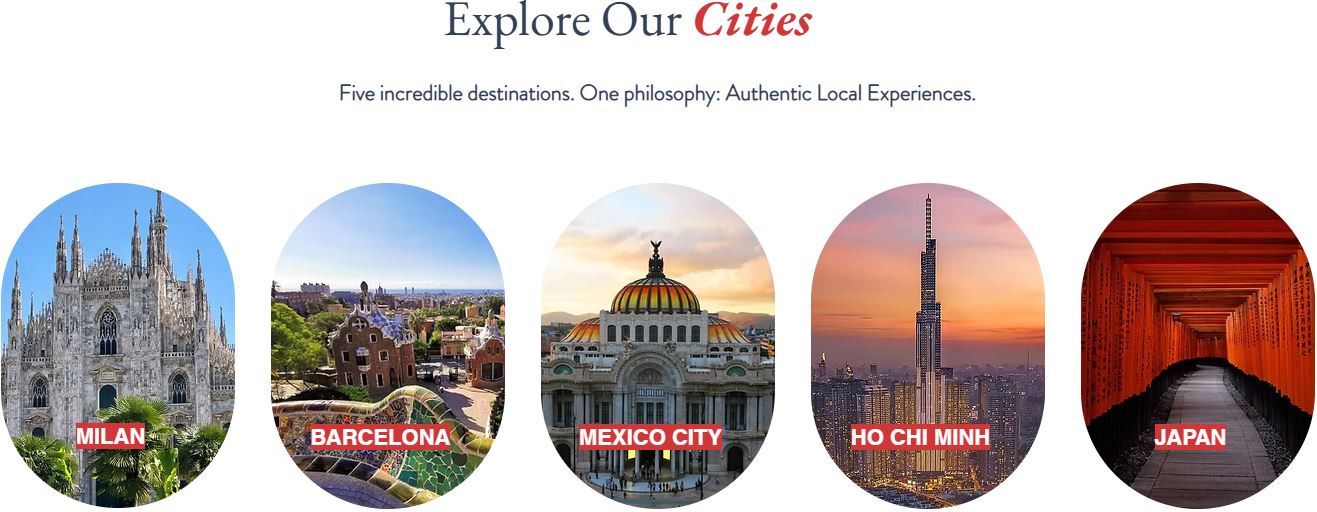
Our Barcelona experiences and cultural walking tours are designed by people who live and breathe the cities they guide. We work with local creatives, architects, and cultural insiders to give you access that a self-planned tour rarely reaches. From design-focused neighborhood walks to creative workshops and curated gastronomy stops, every Rbantours experience is built around genuine engagement. If you want a design-led city experience that feels personal rather than packaged, we are ready to take you there.
FAQ
What is a design-led city tour?
A design-led city tour is a curated travel experience that uses architecture, urban planning, and local creative culture as the primary framework for exploring a city. It combines visits to design institutions with street-level discoveries like studios, galleries, and concept stores.
How do I start planning a design-focused city itinerary?
Define your specific design interests first, whether architecture, furniture, street art, or craft. Then research key landmarks, download city-specific apps like StoryHunt, and consult local cultural guides to build a balanced route.
How many stops should a design tour include per day?
Cap your main stops at four or five per day to allow enough time at each venue. Rushing through a design museum or neighborhood defeats the purpose of the experience.
What is the best way to find hidden design gems in a city?
Search by neighborhood on social media, read blogs by local designers and architects, and look for multi-use cultural hubs that combine galleries, studios, and retail. These venues rarely appear in mainstream travel guides but consistently deliver the most authentic experiences.
When should I book design museum tickets in advance?
Book popular design museums and restaurants at least four to eight weeks ahead during peak travel seasons. Last-minute availability at high-demand venues is rare, and missing a key stop can disrupt your entire itinerary.
Recommended
Comments