
The Role of Design in Travel Experiences

Design is the intentional integration of visual, functional, and cultural elements that shapes every step of a travel experience, from the first search to the final farewell. The role of design in travel goes far beyond aesthetics. It governs how you feel in a hotel lobby, how confidently you navigate a foreign transit system, and how deeply you connect with a local neighborhood. Design is a strategic business decision that impacts brand trust and emotional engagement across every touchpoint of the travel ecosystem. When design works well, you barely notice it. When it fails, you feel it immediately.
How does the role of design in travel shape your experience?
Travel experience design is the practice of intentionally crafting every sensory, spatial, and digital touchpoint a traveler encounters. The industry term for this discipline is “experience design,” and it draws from ethnography, service design, and urban planning to map what travelers feel at each stage of a trip.
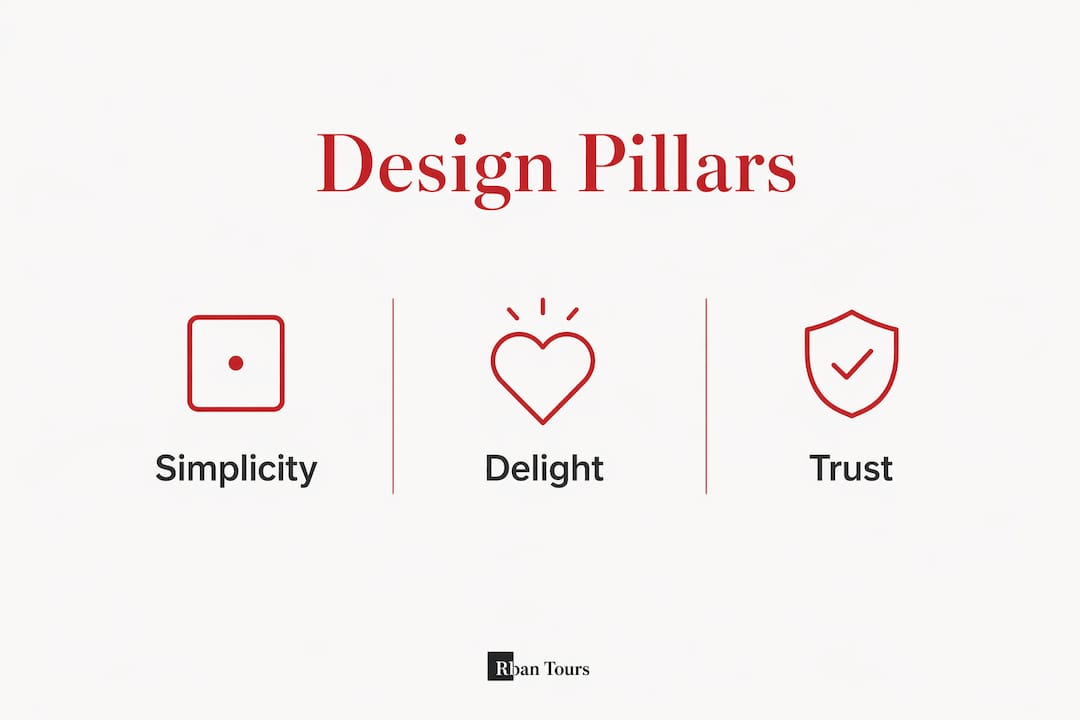
Effective travel design rests on three pillars: simplicity, delight, and trust. These are not abstract values. They show up in concrete decisions, like how many clicks it takes to complete a booking, how clearly a hotel communicates check-in instructions, or how intuitively an airport wayfinding system guides a first-time visitor.
The impact of design on tourism is measurable in traveler confidence and satisfaction. When friction disappears from logistics, travelers shift their mental energy from problem-solving to presence. That shift is the whole point.
Here is where design touches the travel experience most directly:
Booking platforms: Clear layouts, honest pricing displays, and fast load times reduce anxiety and build trust before a trip begins.
Physical wayfinding: Signage, maps, and spatial cues in airports and train stations determine whether travelers feel oriented or lost.
Sensory environments: Lighting, sound, and scent in hotels and restaurants set emotional tone before a single word is spoken.
Digital interfaces: App navigation and itinerary tools either support or interrupt the flow of a trip.
Pro Tip: When evaluating a travel experience, notice where you feel friction. That friction is almost always a design failure, not a personal shortcoming.
Travelers seek emotional states throughout their trip, and design maps and supports those states through intentional flows from search to support. This reframes design from decoration to infrastructure.
Why design-led accommodation changes how you feel about a place
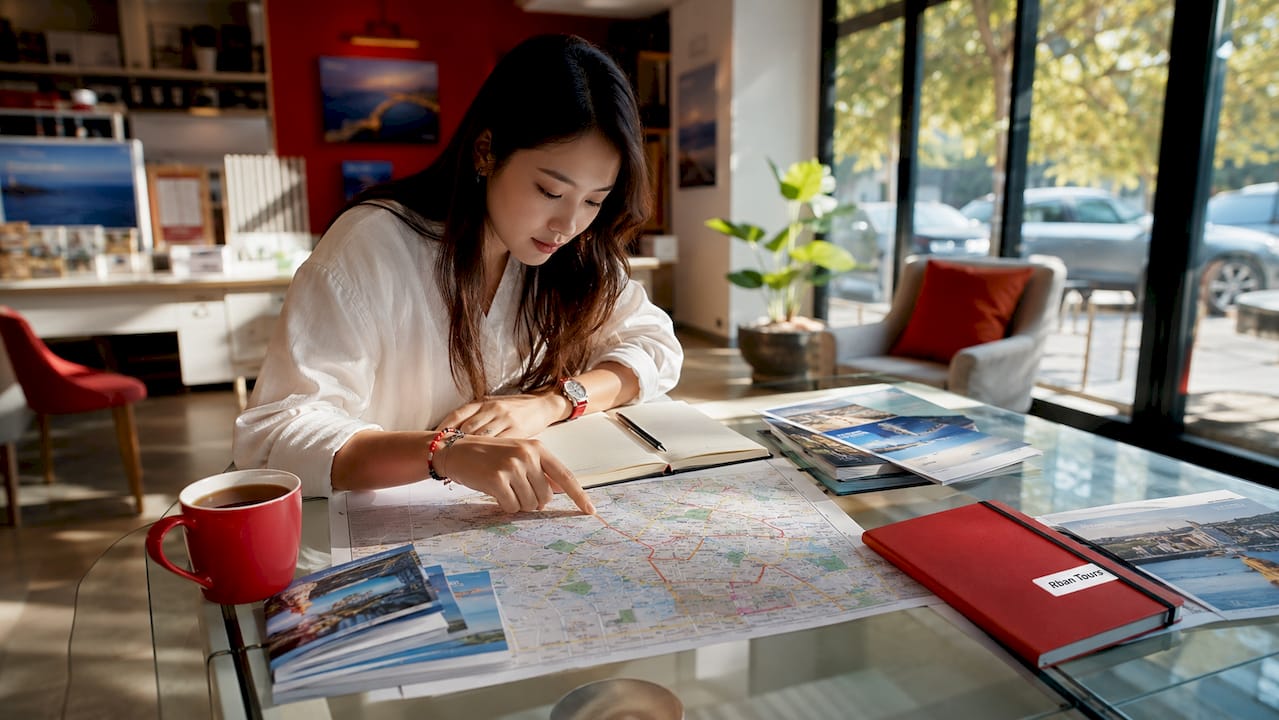
The shift from functional lodging to emotionally engaging spaces is one of the most significant changes in modern travel. Design-led accommodations focus on emotional engagement, using lighting, textures, and artwork to evoke feelings and encourage social connection. This approach makes lodging equally important as the destination itself.
A well-designed room tells a story. Exposed brick references local industrial history. Handwoven textiles signal regional craft traditions. A curated bookshelf invites you to slow down. These are not decorative choices. They are narrative choices that deepen your relationship with a place before you even step outside.
“Sustainability in design-led accommodation enhances guest connection to the environment and supports eco-conscious travel without sacrificing style. Natural materials, energy-efficient lighting, and biophilic design create restorative environments that feel rooted in place.”
The social dimension of accommodation design is equally powerful. Communal lounges and shared kitchens transform solitary travel into social experience. A thoughtfully arranged common area does not just provide seating. It creates conditions for conversation, collaboration, and community among strangers who share a curiosity for the same city.
The design elements that define this shift include:
Lighting: Warm, layered light creates intimacy and signals rest, while bright task lighting supports productivity.
Texture: Natural materials like wood, stone, and linen ground a space in its geographic context.
Artwork: Local artists’ work introduces cultural narrative without explanation.
Spatial flow: Room layouts that encourage movement and interaction rather than isolation.
Understanding guest experience design in hospitality reveals how ethnographic methods map traveler pains and gains to create spaces that feel genuinely considered rather than generically comfortable.
How urban planning and transport design shape city exploration
Cities are designed experiences, whether their planners intended that or not. Urban planning and transport design shape how travelers move through and emotionally experience destinations. The design of a city’s streets, plazas, and transit systems creates the context in which every other travel experience unfolds.
Two historical examples illustrate this with clarity:
Design Element | Location | Impact on Travelers |
Haussmann’s boulevards | Paris, France | Wide avenues improved crowd flow, created visual grandeur, and shaped the city’s identity as a destination |
London Underground map | London, England | Schematic clarity replaced geographic accuracy, making a complex system feel navigable to millions of visitors |
Pedestrian piazzas | Italian cities | Car-free zones slow movement and invite lingering, deepening cultural immersion |
Transit station art programs | Various cities | Murals and sculptures transform functional spaces into cultural experiences |
Paris’s boulevards were not designed for tourists. They were designed for crowd control and commerce. Yet their scale and symmetry became the city’s visual signature, drawing travelers for over a century. That is the long-term power of urban design: it outlasts its original purpose and becomes the soul of the destination.
Public transit design deserves particular attention. A clear, well-designed transit map does not just help travelers get from point A to point B. It gives them the confidence to explore neighborhoods they would otherwise skip. Confidence in navigation translates directly into richer, more spontaneous travel.
How does design create cultural connection in travel?
Travel is shifting from passive consumption to active participation, and design must facilitate genuine presence and reflection to address what researchers call the escapism paradox. Travelers want to escape routine, but they also want to feel something real. Design is the mechanism that makes both possible simultaneously.
Effective design goes beyond decoration to incorporate cultural narratives as entry points that invite co-created stories, deepening traveler engagement. This means designing experiences where travelers are participants, not spectators.
Rbantours builds this principle into every experience it creates. A vintage shopping tour in Barcelona is not just retail. It is a curated conversation with the city’s creative history. A street food walk in Mexico City is not just eating. It is an introduction to the neighborhood’s rhythm, its vendors, its daily rituals.
Practical steps that design-led experiences use to create cultural connection:
Embed local narratives: Every stop on a tour should carry a story that connects the physical space to the people who shaped it.
Use micro-experiences: Small, intentional moments, like a conversation with an artisan or a taste of a regional ingredient, create stronger memories than grand spectacles.
Design for slowness: Itineraries that allow lingering signal to travelers that presence matters more than volume.
Invite reflection: Moments of pause, whether through a workshop, a shared meal, or a quiet viewpoint, deepen emotional processing of the experience.
Prioritize human interaction: The most memorable travel moments almost always involve another person, not a monument.
Pro Tip: When choosing a travel experience, look for ones that include unscripted time with local people. That is where authentic cultural connection actually happens.
Design creates entry points into local culture through small, intentional choices that invite engagement rather than passive consumption. The difference between a tourist and a traveler often comes down to whether the experience was designed to include them or just to display something at them.
Key Takeaways
Design shapes travel at every level, from the clarity of a transit map to the texture of a hotel wall, and travelers who notice it experience places more deeply.
Point | Details |
Design is infrastructure | Simplicity, delight, and trust in booking and navigation reduce friction and build traveler confidence. |
Accommodation tells stories | Lighting, texture, and local artwork transform lodging into a cultural experience, not just a place to sleep. |
Urban design sets the stage | City planning and transit systems create the emotional and spatial context for all other travel experiences. |
Cultural connection requires participation | Design that invites travelers into local narratives creates stronger memories than passive sightseeing. |
Small details carry the most weight | Functional beauty in everyday travel elements, from menus to maps, quietly shapes the quality of the entire trip. |
Design awareness changed how I travel
We have spent years building experiences in cities like Tokyo, Barcelona, and Mexico City, and the single biggest shift in how we approach travel came from learning to read design as a language. Once you see it, you cannot unsee it.
Most travelers walk past functional beauty every day without registering it. A well-designed hotel key card that fits perfectly in your pocket. A restaurant menu that uses typography to guide your eye toward the chef’s pride. A neighborhood map painted on a wall that tells you exactly where the locals eat. These details solve problems quietly, and that quiet elegance is the hallmark of design done right.
My honest observation is this: the travelers who get the most out of a destination are not the ones with the longest itineraries. They are the ones who slow down enough to notice what the place is trying to tell them. Design is how a city speaks. Learning to listen changes everything.
The shift from logistics-focused travel to experience-focused travel starts with noticing. Notice the light in a room. Notice the rhythm of a street market. Notice how a well-placed bench invites you to sit and watch the world move. That noticing is the beginning of personalized, immersive travel that stays with you long after you return home.
— Rban
What Rbantours offers for design-led city experiences
Rbantours was built on the belief that the best travel experiences are designed, not stumbled upon. Every tour we create, from a Paint & Sip workshop in a local studio to a street food walk through a neighborhood market, is structured around the principles of cultural narrative, sensory engagement, and human connection.
[
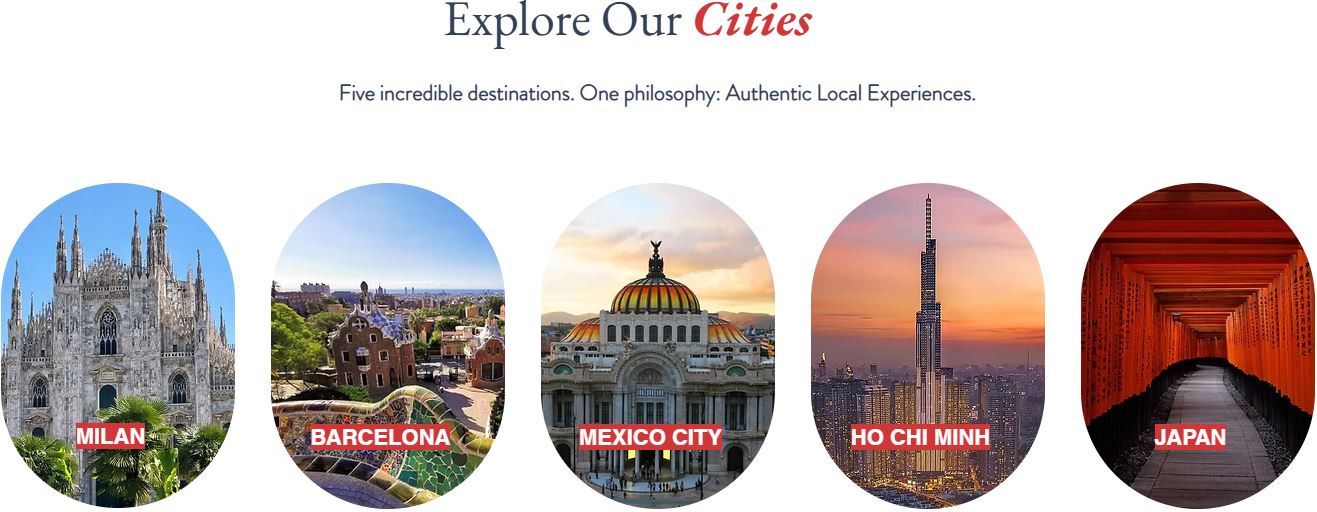
We operate in destinations where design and culture are inseparable: Japan’s layered aesthetic traditions, the architectural pulse of Barcelona’s creative neighborhoods, and the vibrant, art-saturated streets of Mexico City. Each experience is curated with local creatives and guided by people who know the city’s heartbeat from the inside. If you are ready to move from sightseeing to genuine participation, Rbantours is where that shift begins.
FAQ
What is travel experience design?
Travel experience design is the practice of intentionally crafting every physical, digital, and sensory touchpoint a traveler encounters to reduce friction and deepen emotional engagement. It draws from ethnography, service design, and urban planning.
How does design affect traveler trust?
Design builds trust through simplicity and transparency. Clear booking interfaces, honest pricing, and intuitive navigation reduce traveler anxiety and increase confidence before and during a trip.
Why does accommodation design matter for travel?
Accommodation design shapes how travelers feel about a destination. Thoughtful use of local materials, lighting, and artwork transforms a room into a cultural experience that deepens connection to the place.
How does urban design influence tourism?
Urban planning determines how travelers move through and emotionally experience a city. Well-designed transit systems, pedestrian zones, and public spaces give travelers the confidence and comfort to explore beyond the obvious attractions.
What makes a travel experience design-led?
A design-led travel experience prioritizes cultural narrative, sensory engagement, and human interaction over passive sightseeing. It invites travelers to participate in local life rather than observe it from a distance.
Recommended
Comments