
Why travel with locals for authentic, immersive journeys

You can tick every landmark off your list, book the most popular restaurants, and still leave a city feeling like you never truly arrived. That’s the quiet frustration many travelers carry home. The photos are gorgeous. The itinerary was packed. But something real was missing. Traveling with locals changes that equation entirely. It pulls you behind the curtain and into the actual rhythm of a place, where ordinary moments become the memories you carry for years. This guide explores why local connection is the beating heart of meaningful travel, and how you can make it happen.
Table of Contents
Key Takeaways
Point | Details |
Deeper cultural connection | Traveling with locals offers richer insights and lasting memories than sightseeing alone. |
Boosted enjoyment and learning | Authentic experiences heighten cultural appreciation, enjoyment, and immersion. |
Unique access and safety | Local guides unlock safer experiences and entry to places regular tourists cannot reach. |
Responsible, ethical travel | Choosing the right local-led experiences supports both travelers and resident communities. |
Why authentic local connections deepen your travel
Most traditional travel formats hand you a curated version of a city. You see the highlights, the landmarks, the postcard views. What you rarely see is how people actually live, what they argue about, laugh about, eat on a Tuesday night. That gap between the curated and the real is where so much of the magic hides.
Traveling with locals creates something fundamentally different. It gives you direct social access to everyday life, the kind that no tour bus can replicate. You learn where the neighborhood goes for coffee, which street market has been there for three generations, and why that mural on the corner actually matters. As travel researchers and writers note, traveling with locals produces deeper understanding precisely because it creates direct social connection and access to how life is actually lived, not only curated information.
The difference shows up in how you feel at the end of a trip. Standard sightseeing can leave you informed but emotionally flat. Local-led experiences, by contrast, are associated with higher enjoyment, learning, and immersion compared with standardized, passive formats. Your brain stays engaged because the experience is alive and unpredictable.
“Real understanding of a place doesn’t come from reading its history on a plaque. It comes from sitting across a table from someone who grew up there and listening to what they love and what they’ve lost.”
Here’s what you actually gain when you make authentic local connection a priority:
Emotional empathy toward a culture, rather than surface-level observation
Contextual insight that makes history, food, and art click into place
Spontaneous moments that no itinerary could ever plan
Genuine enjoyment that stays with you long after the trip ends
Lasting memories that feel personal, not generic
These are the kinds of deeper travel memories that travelers talk about for years. Not the museum they visited, but the conversation they had with the guide who grew up three blocks away.
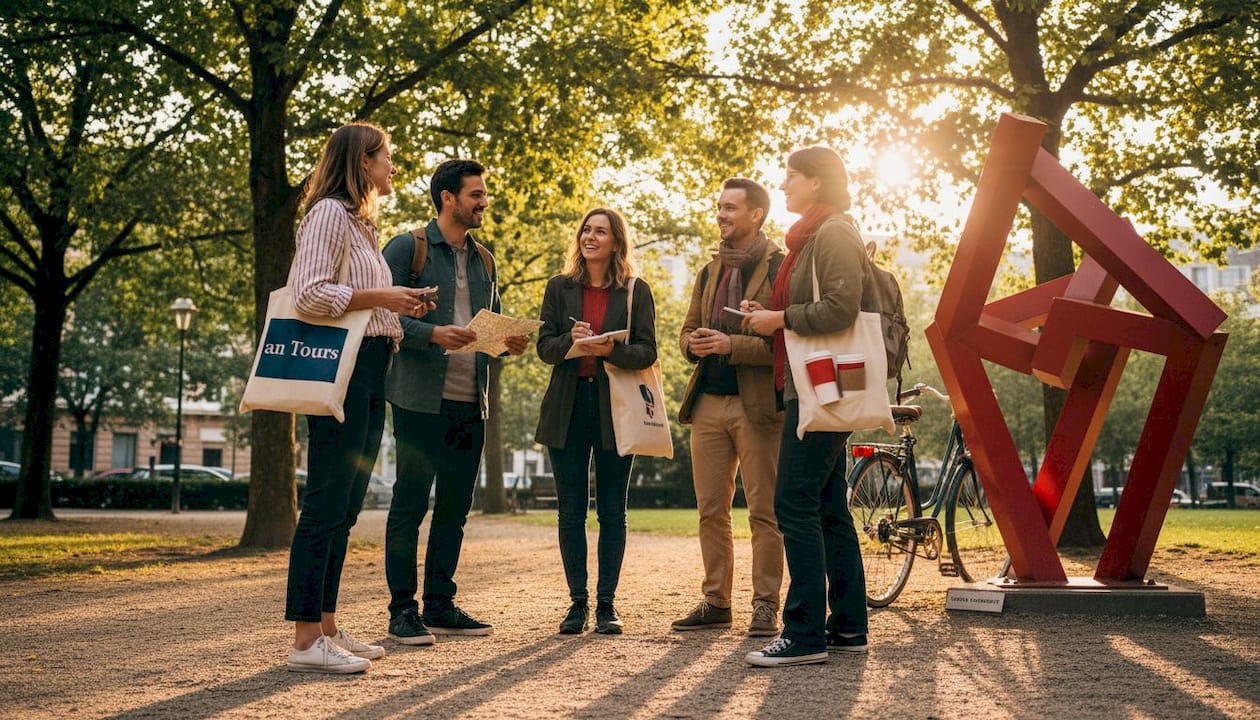
How traveling with locals works: practical methods
Understanding why local connection matters is one thing. Knowing how to build it is another. There are three main routes most travelers take, each with real differences in depth, structure, and reliability.
Approach | Structure | Authenticity | Safety | Ideal for |
DIY meetups | Unstructured | Variable | Lower | Adventurous, flexible travelers |
Resident/citizen guides | Semi-structured | High | Moderate to high | Culture seekers, solo travelers |
Community-run tours | Structured | Very high | High | Groups, first-time visitors |
DIY meetups through apps or community forums can be rewarding, but they require effort to vet, and outcomes vary wildly. Resident guides, especially those certified or well-reviewed, bring bespoke knowledge that feels personal and grounded. According to National Geographic, hiring local citizen guides is one of the most effective ways to get locally grounded explanations, though quality and regulation vary by city and country. Community-run tours, often organized by neighborhood associations or cultural cooperatives, tend to offer the strongest mix of structure and genuine local investment.
For travelers seeking personalized immersive journeys, the sweet spot usually sits with verified local guides or carefully curated small-group experiences.
Here’s a simple process for finding and verifying a good local guide:
Start with specific platforms that require guide verification or community reviews, not just a star rating
Check their background by looking for guides who live and work in the neighborhood they’re showing you, not just the city at large
Read qualitative reviews that mention personal moments, stories, and unexpected discoveries rather than just logistics
Ask a few pointed questions before booking, including what they personally love about the area and what they wish tourists understood better
Confirm their community ties by asking whether they collaborate with local businesses or organizations
Pro Tip: Ask your potential guide, “What’s one thing about this neighborhood that most tourists never notice?” A genuine local guide will answer without hesitation. Someone running a scripted tour will pause and pivot to something generic.
For travelers visiting destinations in countries with specific guide licensing requirements, such as Japan or Italy, checking local regulations ahead of time ensures you’re also supporting guides who operate legally and ethically within their community.
Want to experience what truly engaging local nightlife experiences feel like in practice? The best ones share exactly this quality: specific, personal, and impossible to replicate anywhere else.
The unique advantages of local-led travel
Beyond connection and immersion, traveling with locals delivers some practical, concrete advantages that most travelers don’t anticipate until they’re already on the ground.
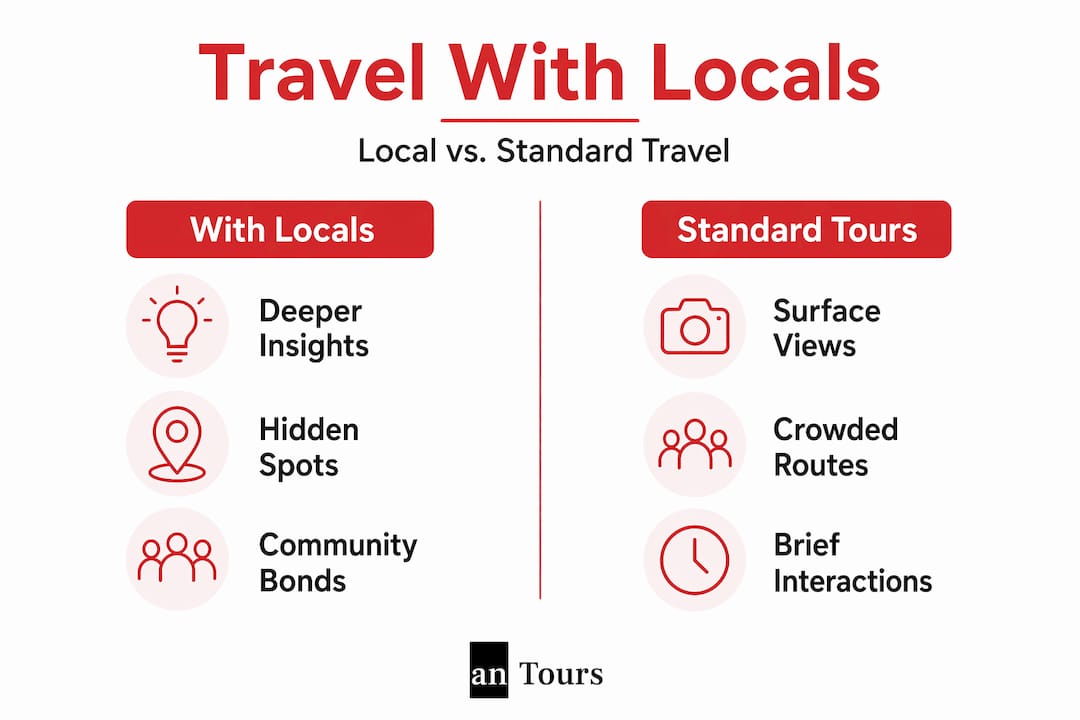
Safety is one of the most underrated benefits. In cities with complex social dynamics or areas where tourist infrastructure is limited, a local guide doesn’t just enrich your experience, they actively protect it. They know which routes are safe at night, which vendors are trustworthy, and how to read the social cues that a first-time visitor would miss entirely. Fodor’s confirms that local guides improve trip safety and unlock access and context that guidebooks simply cannot provide.
There’s also a growing cultural shift worth paying attention to. Demand for traditional, culture-led experiences is rising sharply. Workshop bookings with local artisans and community guides have increased by 250% in recent years, and a remarkable 69% of travelers say they prefer experienced older guides who can share deep-rooted traditions and stories. This “grandma mindset” in travel, as some researchers are calling it, reflects a hunger for depth over novelty.
Experience type | Traveler preference (2026) | Growth rate |
Traditional craft workshops | 74% positive rating | +250% bookings |
Older/experienced local guides | 69% preference | Significant growth |
Neighborhood-specific food walks | 81% positive rating | +180% bookings |
What you gain from a well-connected local guide goes well beyond what any app or guidebook can surface:
Hidden stories attached to buildings, streets, and local figures that never make it into travel writing
Safe passage through neighborhoods where social awareness matters
Real-time context that connects what you’re seeing to what’s currently happening in the community
Access to closed or informal spaces, from family-run workshops to neighborhood shrines, that exist off the tourist grid
Honest cultural perspective that challenges your assumptions in the best possible way
These are the local tours benefits that transform a trip from a check-list into a lived experience. Whether you’re exploring the artisan quarters of Milan or discovering the rich culture of Japan, local knowledge adds layers you simply cannot access alone. And those layers are what you’ll remember.
Want a tangible example of what local access can look like? Community-based encounters designed around intimate, educational storytelling show exactly how powerful this format can be.
Traveling with locals responsibly: tourism’s wider impacts
Here’s something most travel content won’t tell you directly: not all local-led travel is inherently good for the community you’re visiting. Tourism’s effects are real, and they cut both ways.
Research published in peer-reviewed literature confirms that tourism’s well-being effects can be positive but are multidimensional and differ by stakeholder. Travelers may feel enriched while residents experience increased stress, rising rents, or the slow erosion of the culture being sold as an attraction.
“The most ethical travel isn’t just about what you take from a place. It’s about what you leave behind, whether that’s money in a local pocket, respect for a community boundary, or genuine curiosity that honors a person’s story.”
Responsible local-first travel means thinking beyond your own experience. Here’s how to approach it with intention:
Choose guides who are invested in their community, not just performing it. Look for people who live there, contribute there, and care about how the neighborhood evolves.
Avoid exploitative interactions, such as paying very little for deeply personal access or treating local customs as photo opportunities without consent.
Spend your money locally and deliberately, at family-run restaurants, independent artisan shops, and neighborhood venues rather than chain operations that extract value from a community.
Ask your guide what the community actually needs from tourism. Their answer will tell you a lot about whether you’re in the right hands.
Be mindful of your presence in private or sacred spaces, and follow local guidance on photography, behavior, and participation.
If you want to understand how to experience local culture without reducing it, the approach starts with humility. You’re a guest. The goal is mutual exchange, not extraction.
What travelers miss: when ‘local’ isn’t authentic and how to make it real
Let’s be honest about something. The word “local” has become one of the most overused labels in the travel industry. Every tour operator, hotel, and experience platform attaches it to their offerings, whether or not the connection is real. A guide who grew up in a city but hasn’t lived there in fifteen years is not the same as someone who wakes up there every morning. And a “local food tour” that visits the same five restaurants on every booking is a curated product, not a living cultural experience.
We’ve seen this up close. The most common mistake travelers make is treating the word “local” as a guarantee rather than a starting question. It’s not enough to find someone who carries a local label. You need to find someone with local roots, local relationships, and a genuine reason to share what they know.
National Geographic’s guidance on this is worth taking seriously: guide type and quality vary significantly by training, certification, and personal investment, meaning the local label alone is not a reliable indicator of authenticity.
What does genuine local-led experience actually feel like? It feels like being let into something. The guide introduces you to someone they know. The story they tell is specific enough to be embarrassing or tender or surprising. The route they take is one they chose, not one prescribed by a booking platform.
To make your travel real rather than just marketed as real, aim for mutual exchange. Ask questions that open conversation rather than confirm assumptions. Build a brief relationship rather than extracting a performance. Respect the guide’s time, expertise, and the community they’re inviting you into. These moments are the lasting local memories that reshape how you see a city, and yourself, long after you return home.
The most authentic travel is also the most honest. You show up curious, stay humble, and leave with more questions than you arrived with. That’s the pulse of a city you actually got to feel.
Experience immersive journeys with local experts
If this guide has sparked something in you, the next step is simple. Find experiences built from the ground up by people who genuinely love where they live and want to share it with you.
[
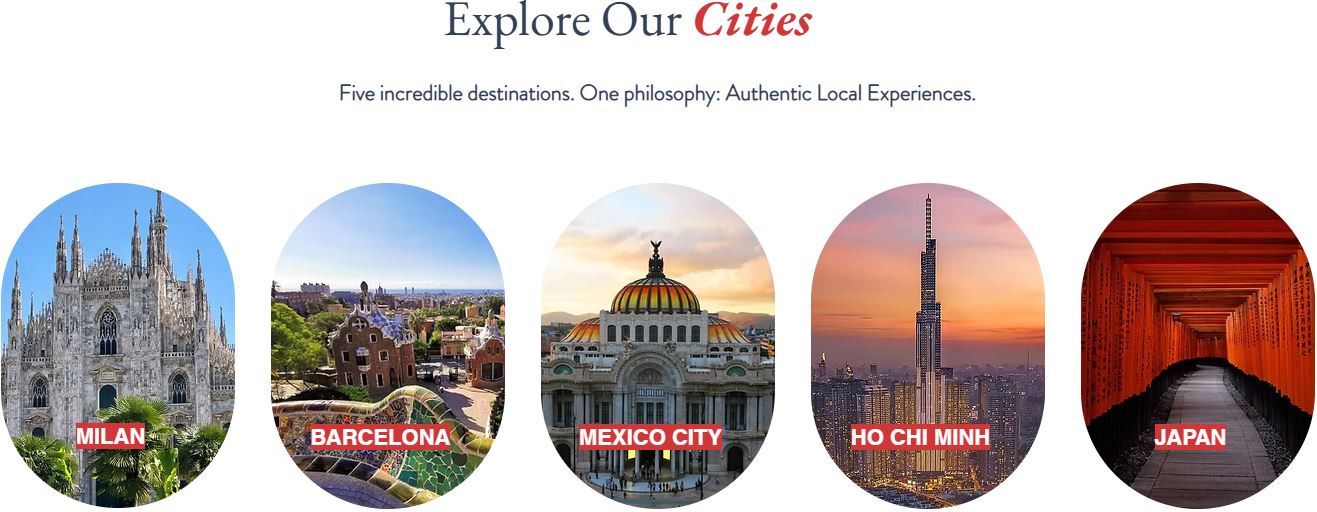
At Rban Tours, we design every journey around that exact philosophy. From our walking cultural tours that take you through neighborhoods most visitors never find, to our food tours in Mexico that connect you with the flavors and stories behind every bite, each experience is shaped by real local knowledge. Our Milan pastry tour is a perfect example: it’s not just about the sweets. It’s about the pasticcerie families who have kept recipes alive across generations. Browse our experiences and find the journey that calls to you.
Frequently asked questions
Is traveling with locals really safer than going solo?
Traveling with locals often improves safety, particularly in destinations with complex social norms or limited tourist infrastructure, because a knowledgeable guide can improve trip safety and provide contextual awareness that guidebooks cannot.
How can I tell if a local experience is truly authentic?
Look for guides who live and work in the specific area, have verifiable community ties, and can speak personally about the neighborhood. Remember that guide types vary significantly in training and authenticity, so personal recommendations and qualitative reviews matter more than star ratings alone.
Are local-led experiences always better than standard sightseeing?
Not automatically, but local-led experiences tend to deliver meaningfully higher levels of enjoyment, learning, and immersion. Quality ultimately depends on the guide’s genuine investment in the experience and how well it aligns with your travel goals.
Does tourism with locals impact resident communities?
Yes, and not always positively. Tourism’s well-being effects are multidimensional and affect different stakeholders differently, which is why choosing guides and experiences that genuinely benefit the local community is both an ethical and a practical priority.
Recommended
Comments